Iron Age


Este was founded around 1000 B.C., along the ancient course of the river Adige.

In later centuries the different settlements arranged along the two banks of the river began to unite. Between the 6th and 4th centuries B.C. above all, a a flourishing center that controlled the surrounding territory.

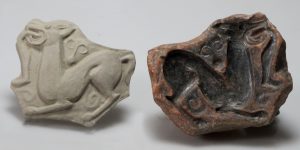
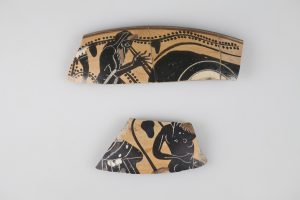
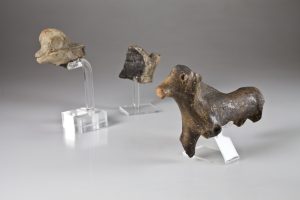
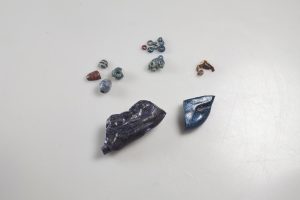
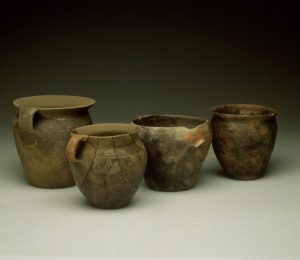
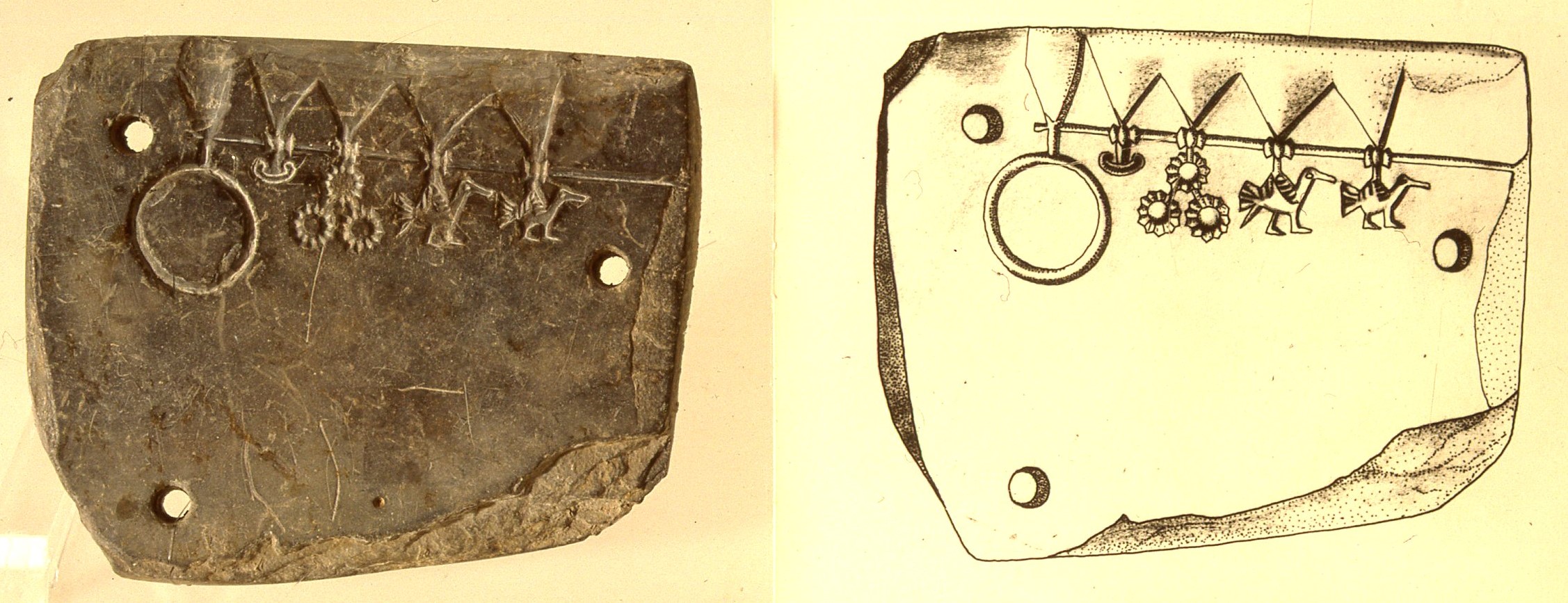
There are numerous archaeological finds such as pottery and tools for spinning and weaving in pottery, handles and hoes made of bone deer antler, beads in glass paste, needles, various artifacts made of bronze and iron. They make it possible to reconstruct daily life and craft activities.

With a few rare exceptions, the dwellings were constructed from perishable materials. A work surface made of rammed clay, used for preparing and cooking food, has been reconstructed; the ceramic artefacts on display are replicas of the originals shown in the display cases.

The emergence of the first centers of the ancient Veneti was greatly influenced by the presence of the Adige, which flowed further north than its present course, parallel to the southern edge of the Euganean Hills.
Along this communication route we know of two settlements, that of Montagnana, included in a dense network of long-distance trade throughout the Bronze Age
Finale, and that of Este-Borgo Canevedo, which instead arose at the end of the 11th century BC south of the river. In both cases, the large extension (65-70 hectares) is due to the alternation of residential and artisanal areas and spaces for agriculture and livestock farming.
Este becomes a city

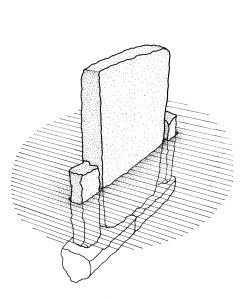
From the 6th century BC onwards, the settlement was almost entirely surrounded by watercourses; the dwellings continued to be built of wood and clay, in some cases with foundations of stone blocks, but they were situated along a network of regular roads, paved with pressed stone slabs, which were regularly resurfaced; some of these roads extended even beyond the town centre. There is also evidence of boundary stones placed to mark the boundary between the ‘inside’ and ‘outside’ of the settlement. The surrounding territory was organised with smaller settlements along the main roads or in strategic locations.

All these clues allow us to interpret Este now as a real city with a government, whose forms and magistracies, however, are unknown to us.

Montagnana

By the end of the ninth century B.C., the site of Montagnana lost importance, while the settlement of Este was entirely moved north of the river (which now divides into several branches) and began to be organized in a more structured way.

How clear is the information on this page?

Thank you, your feedback will help us improve the service!

What were your favorite aspects? 1/2

Where did you encounter the greatest difficulties? 1/2

Do you want to add more details? 2/2

Enter a maximum of 200 characters
This site is registered on wpml.org as a development site. Switch to a production site key to remove this banner.