The city of Ateste, from the Latin Atesis (Adige), became between 90 and 89 B.C. a municipium under Latin law, and between 49 and 42 B.C. it obtained Roman citizenship (municipium civium Romanorum) and membership in the Romilia tribe. After Octavian’s victory at Actium (31 BCE), the lands of the Atestine countryside were assigned to the veterans, known as Aziaci, and the city passed to the status of a colony.
With the arrival of the veterans, Ateste experienced considerable urban and economic development throughout the first century CE, based on agriculture, animal husbandry, and exploitation of natural resources. Nel II e III secolo d.C. Este entrò in una crisi economica e demografica, forse dovuta anche alle numerose esondazioni dell’Adige.
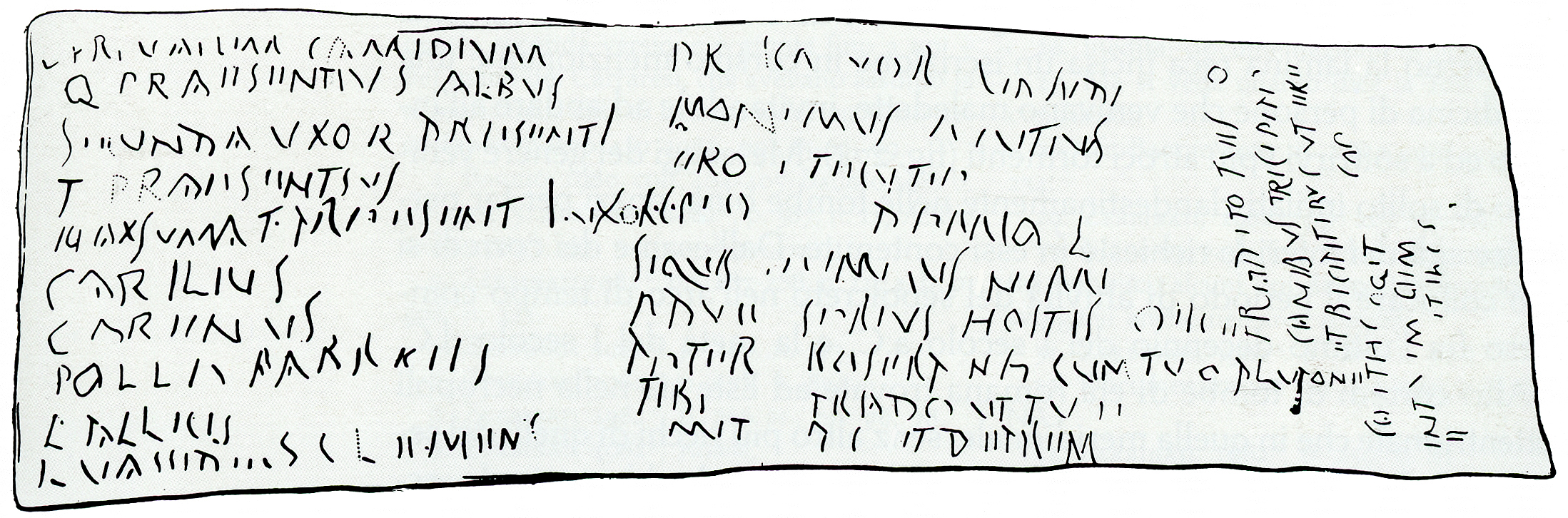
The center, however, did not disappear: it is mentioned as a mansio (post station) or minor center in the Itinerarium Antonini (4th century AD). La storia di Ateste e dei suoi abitanti è ricostruita soprattutto grazie alle numerose epigrafi e agli scavi delle necropoli e dell’abitato urbano che sono esposti nelle sale del piano terra.