Private construction and daily life in Ateste
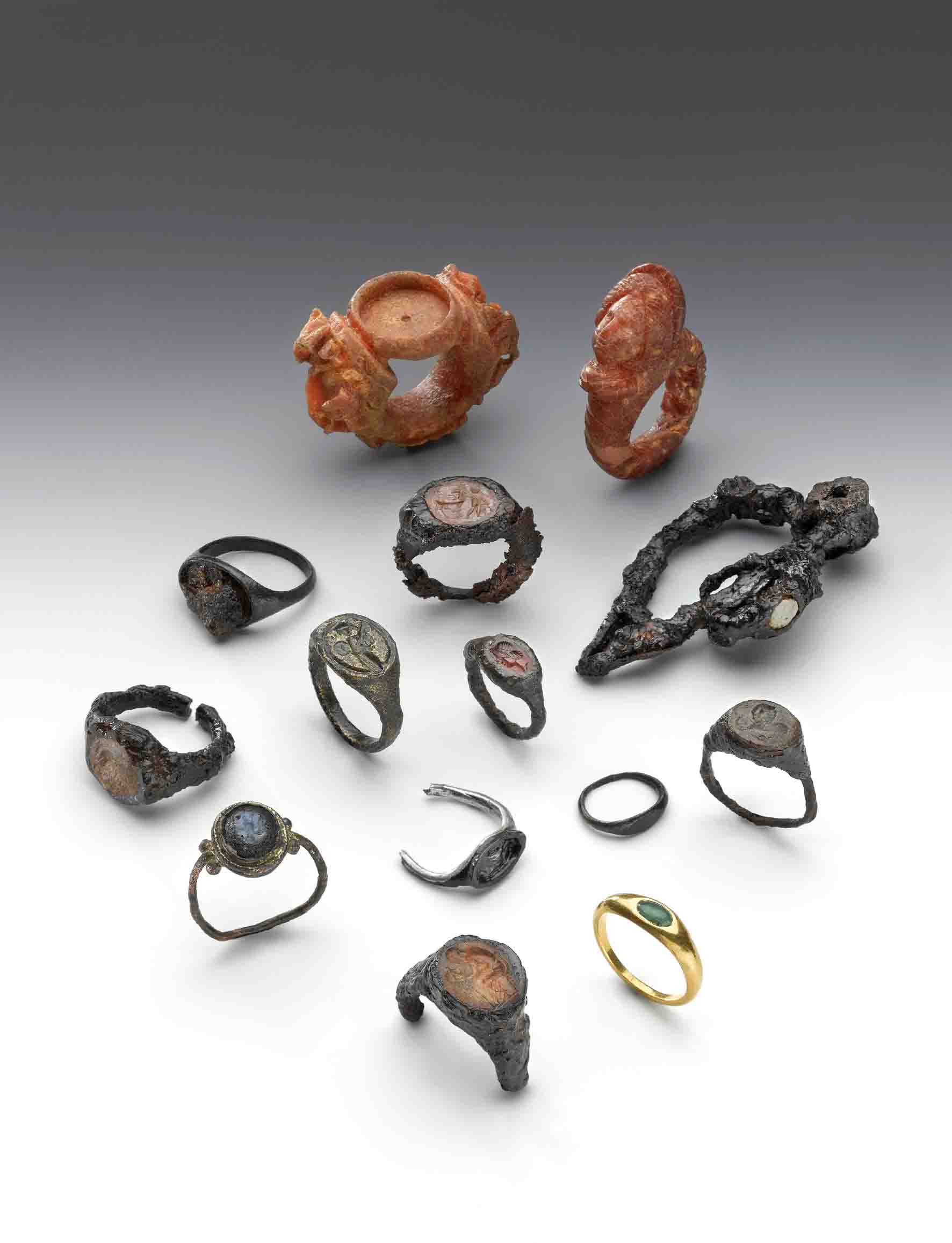
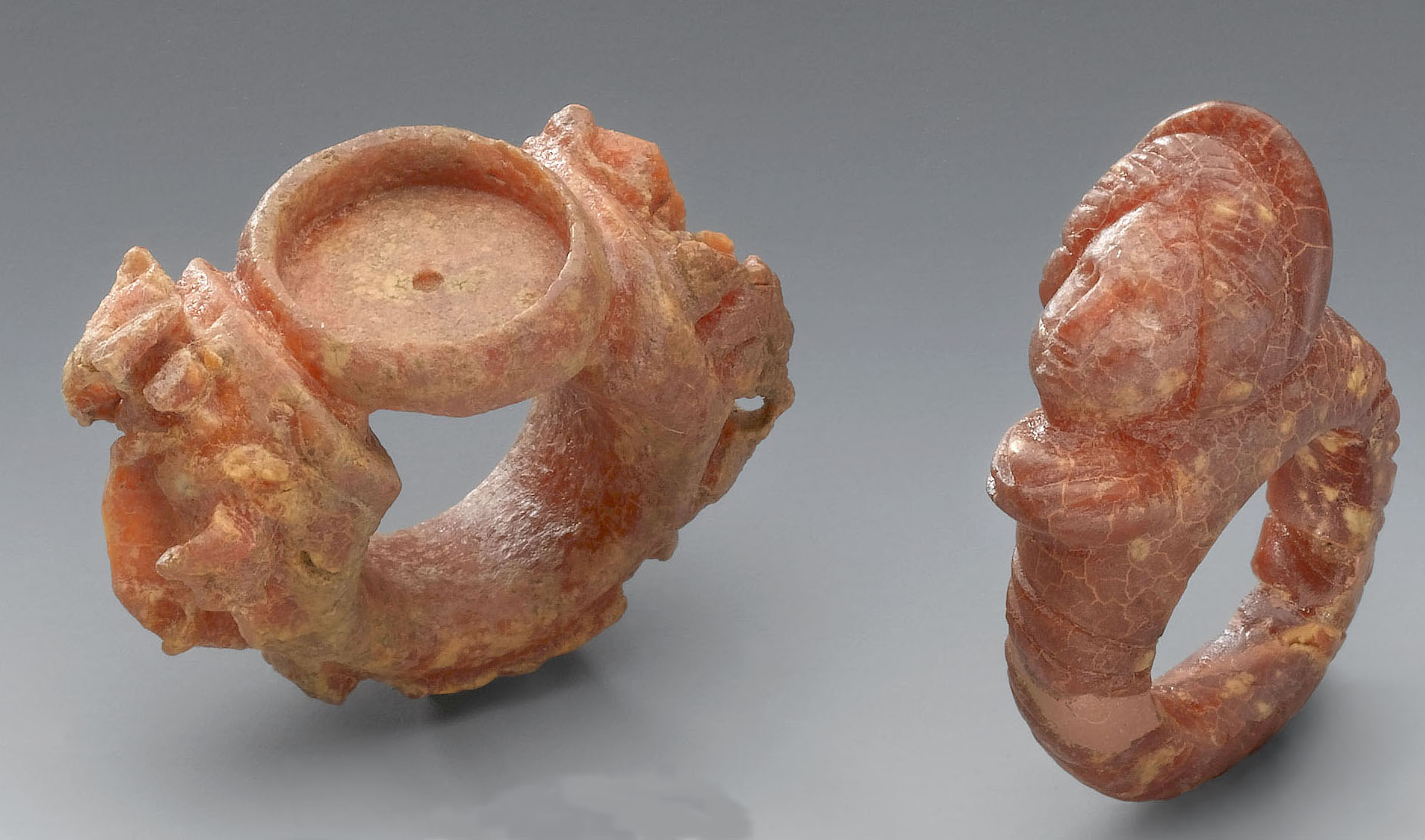
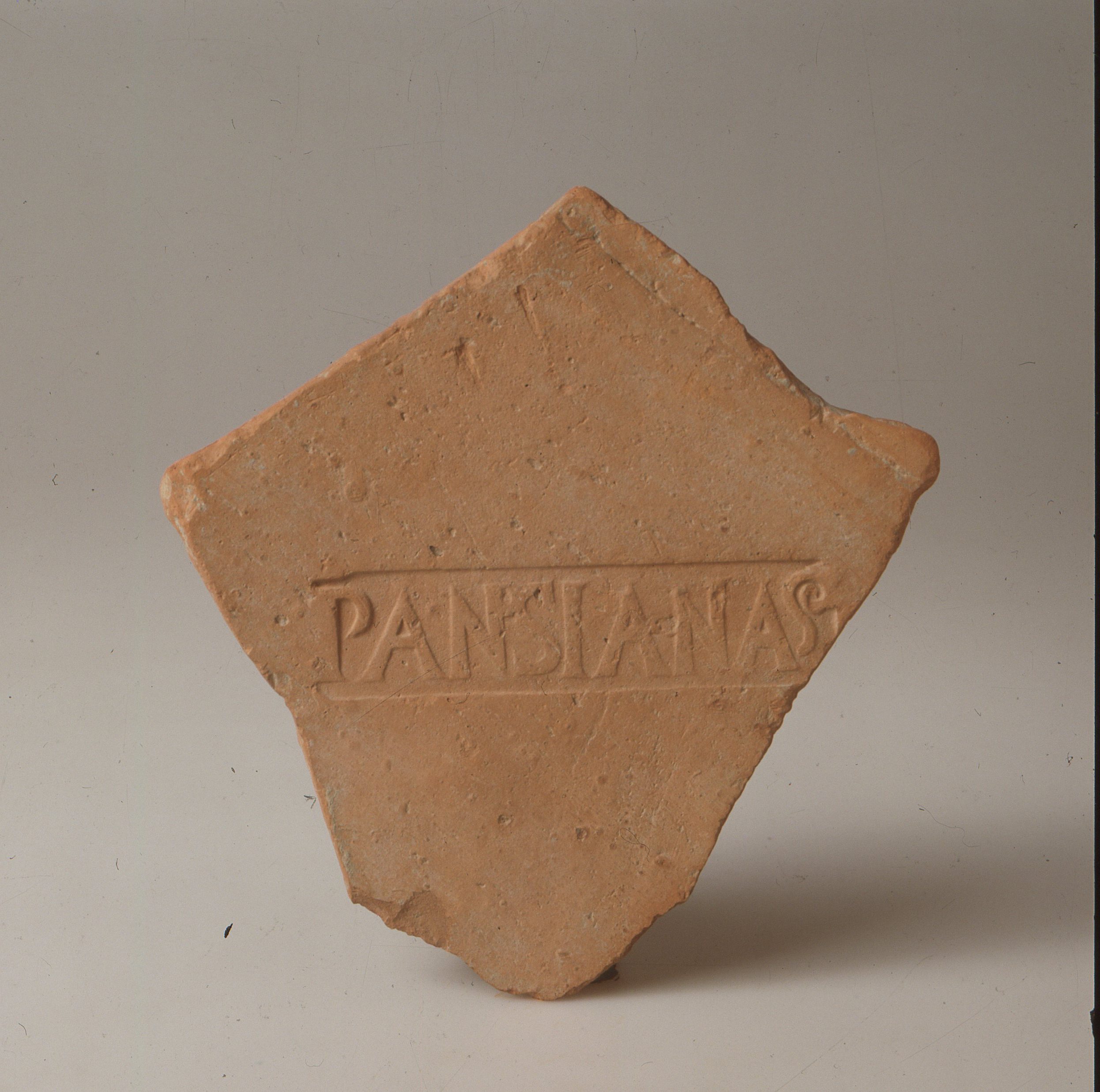
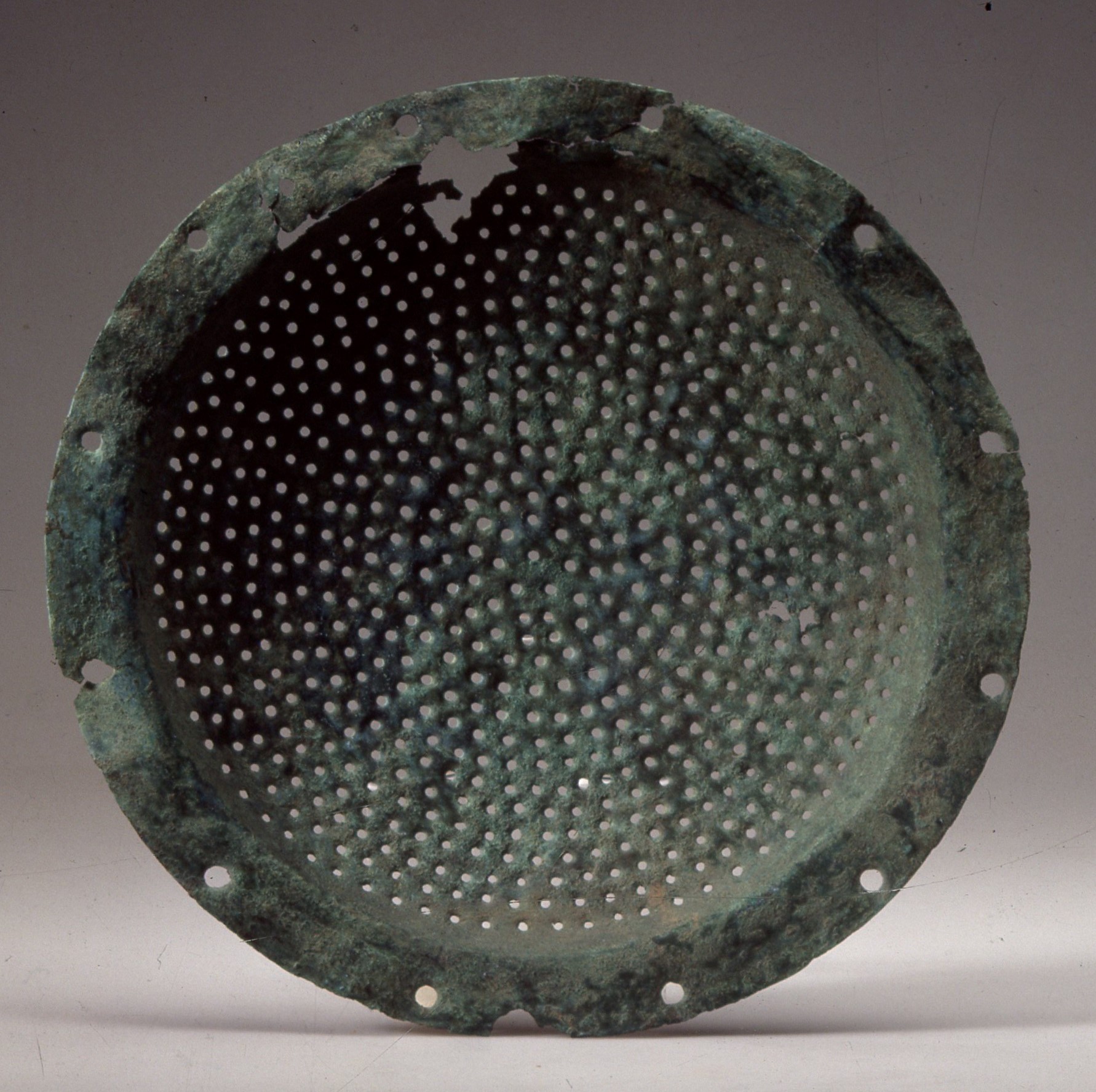
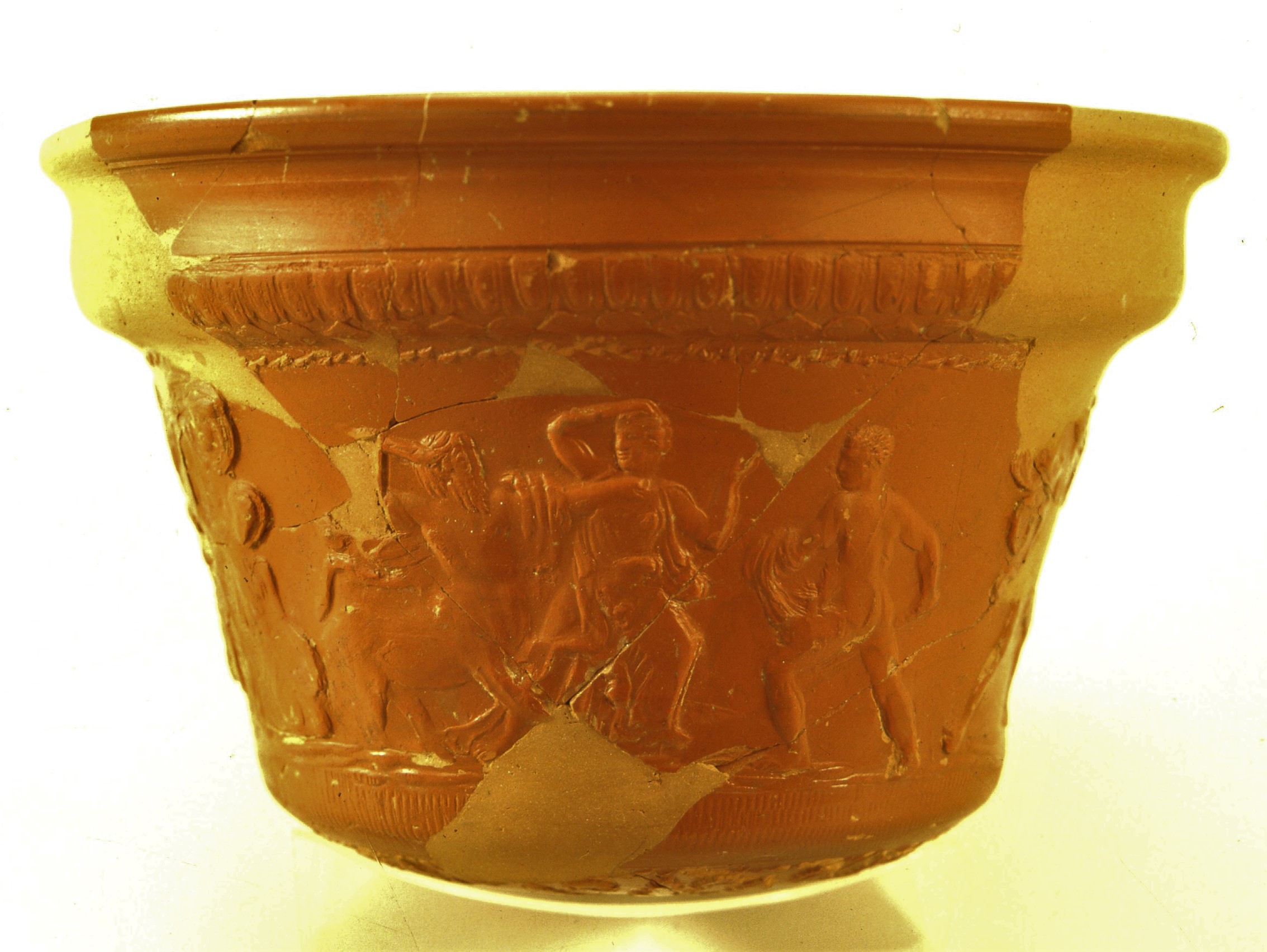
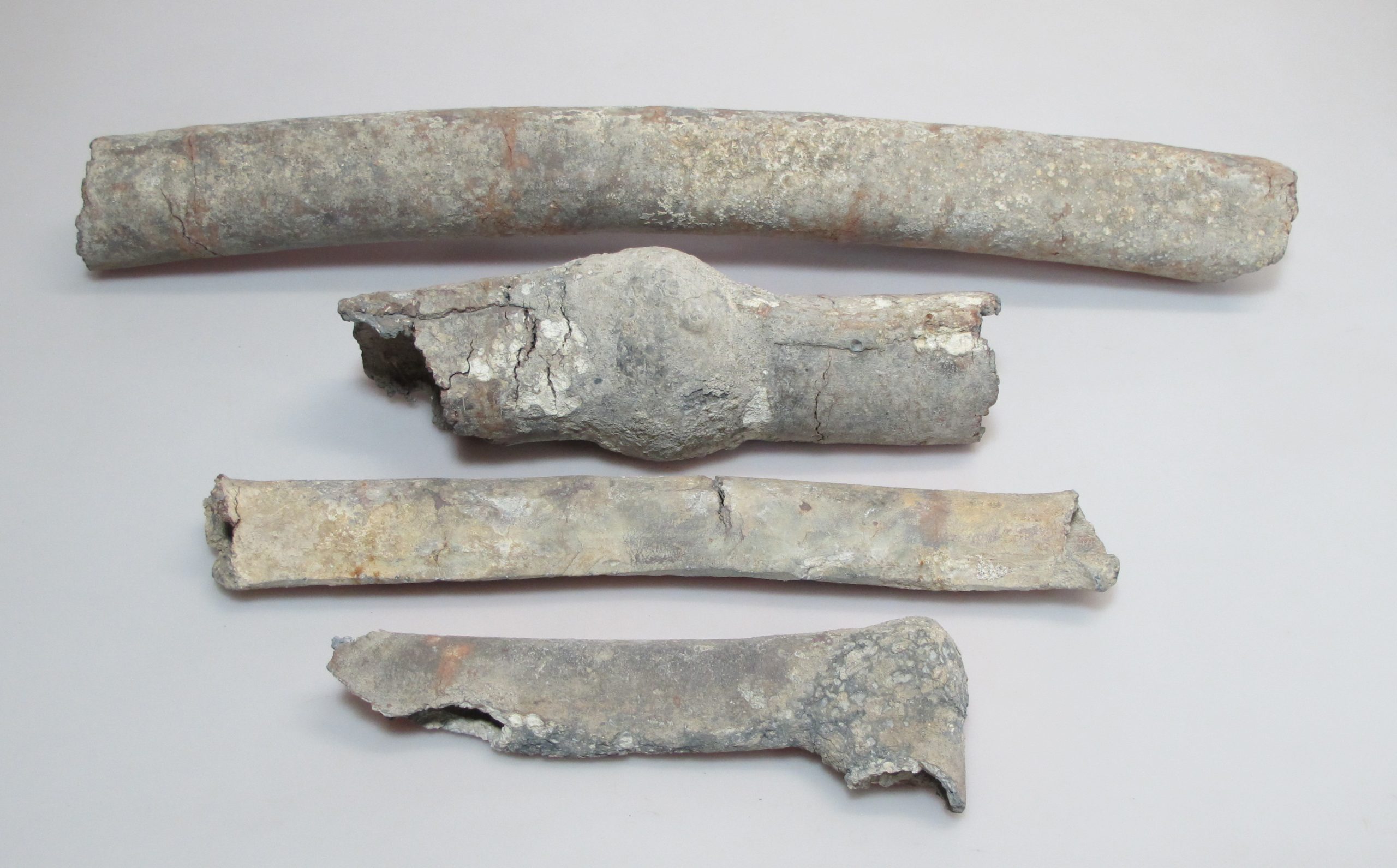
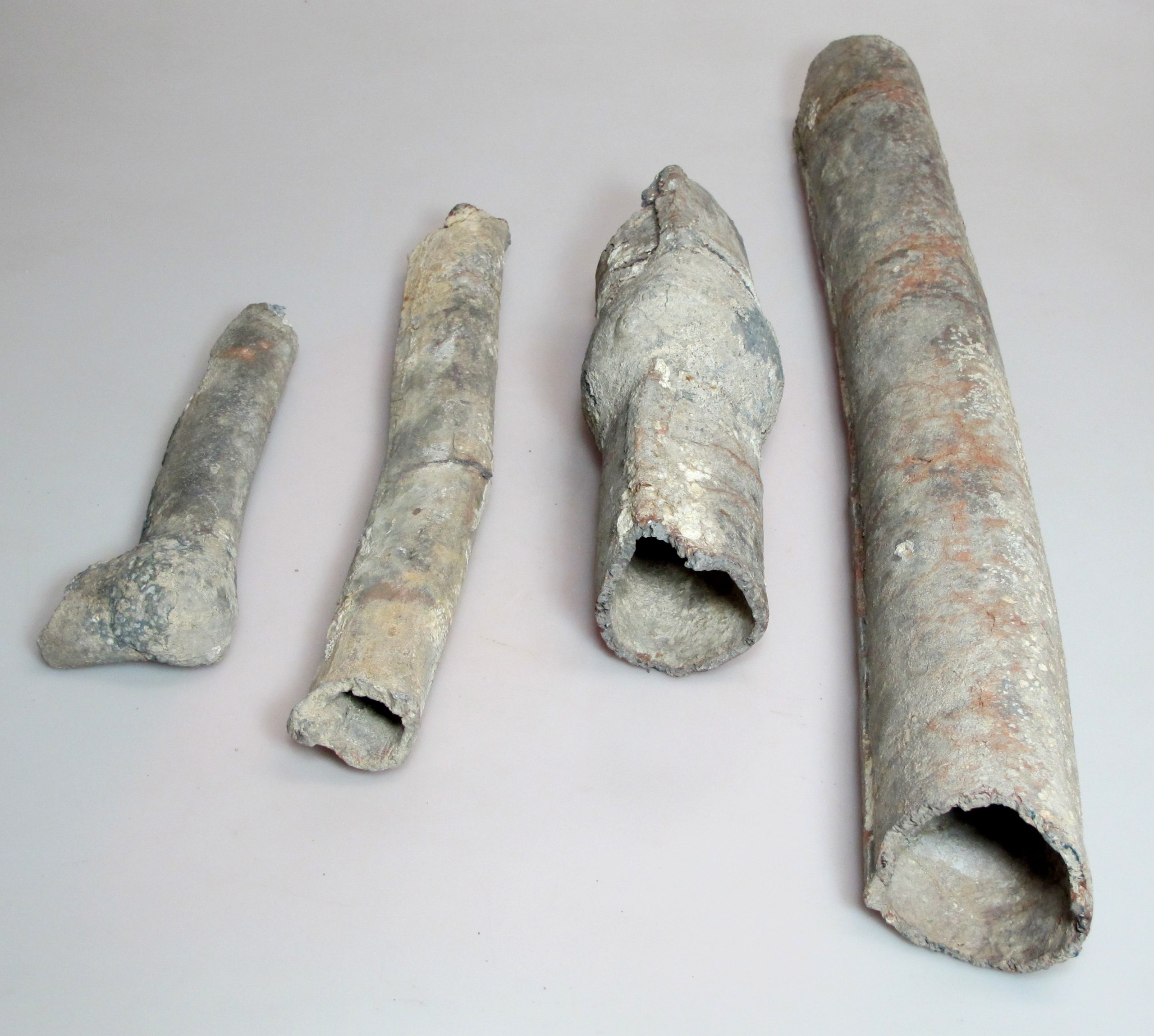
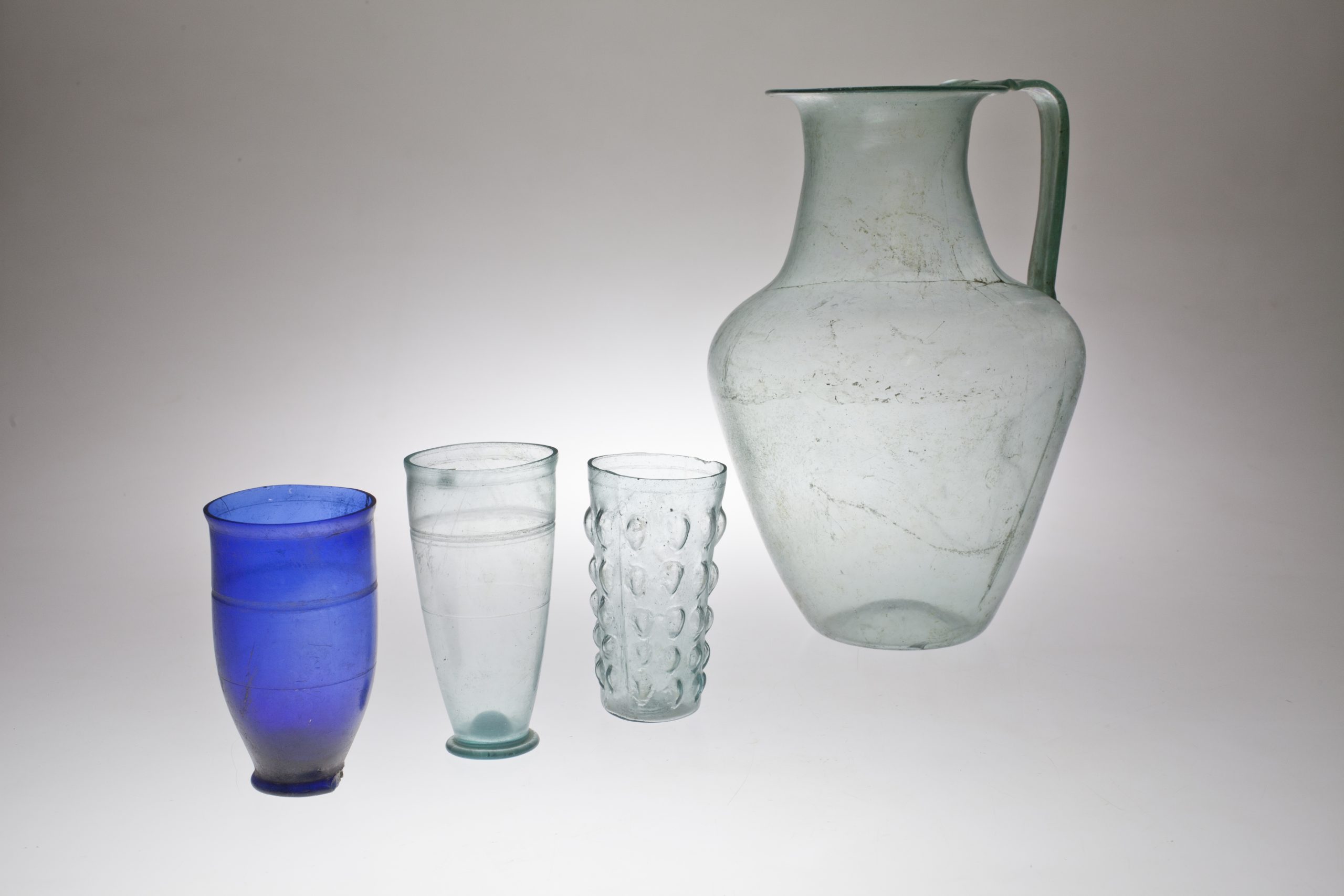
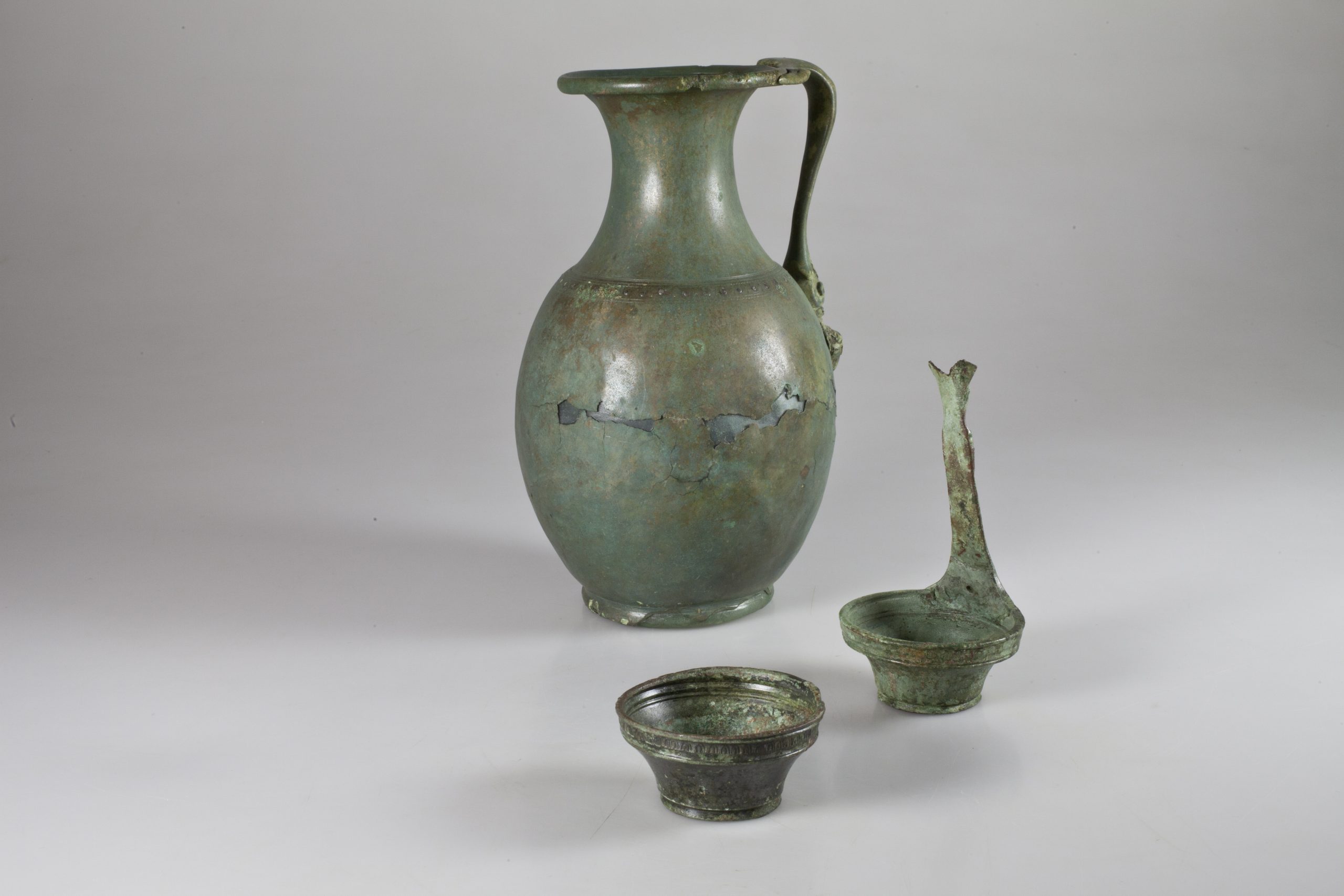
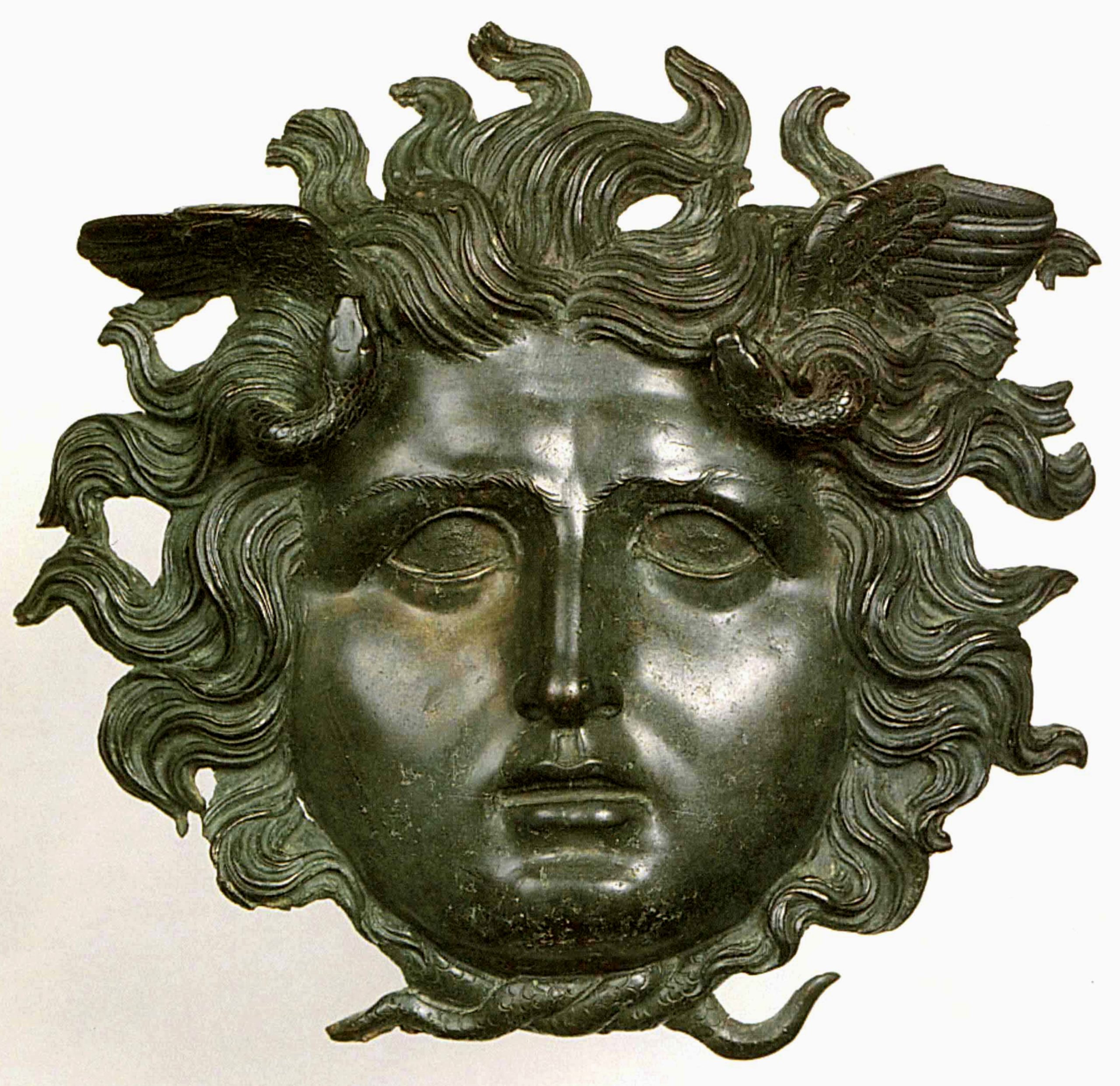
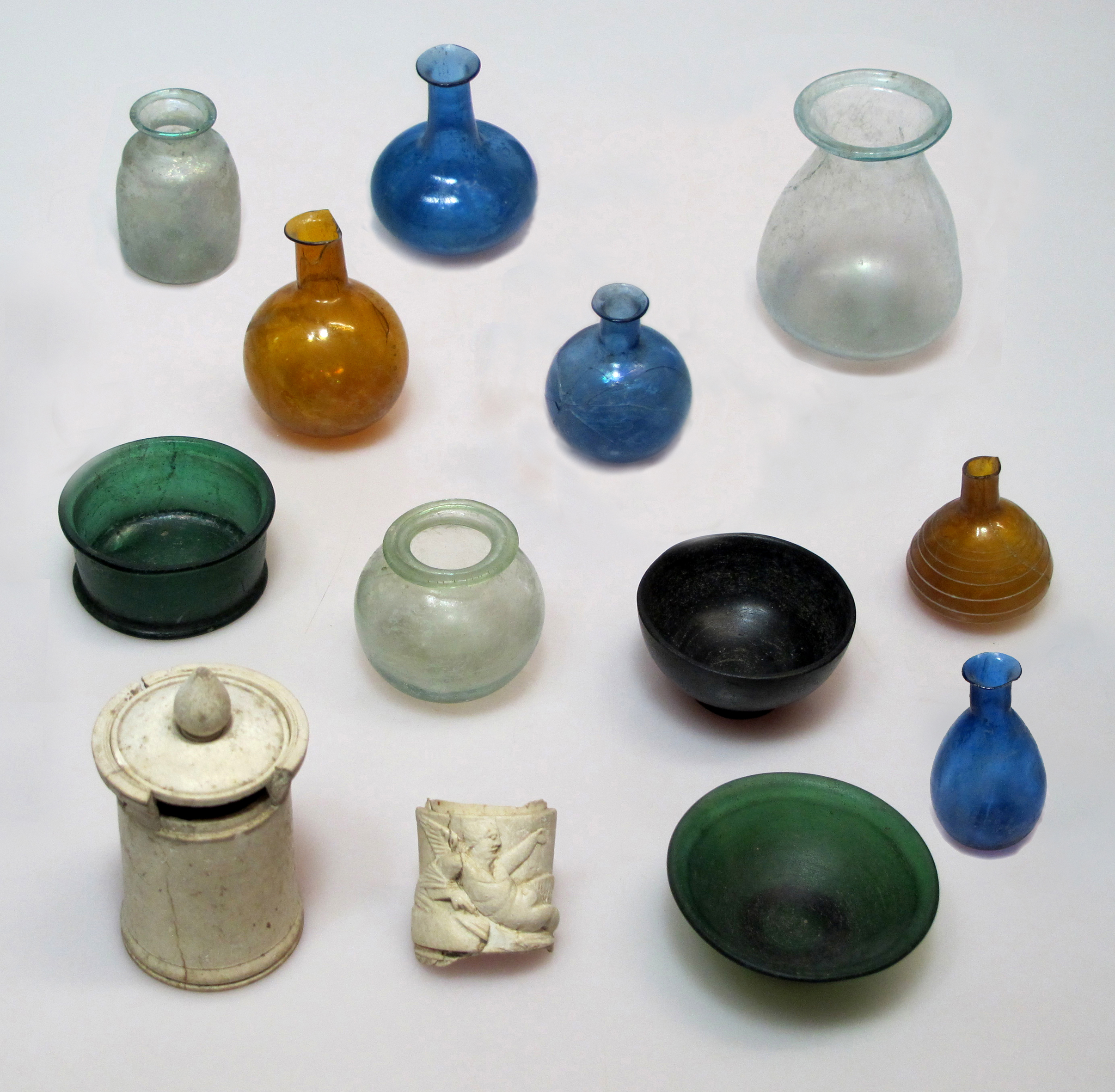
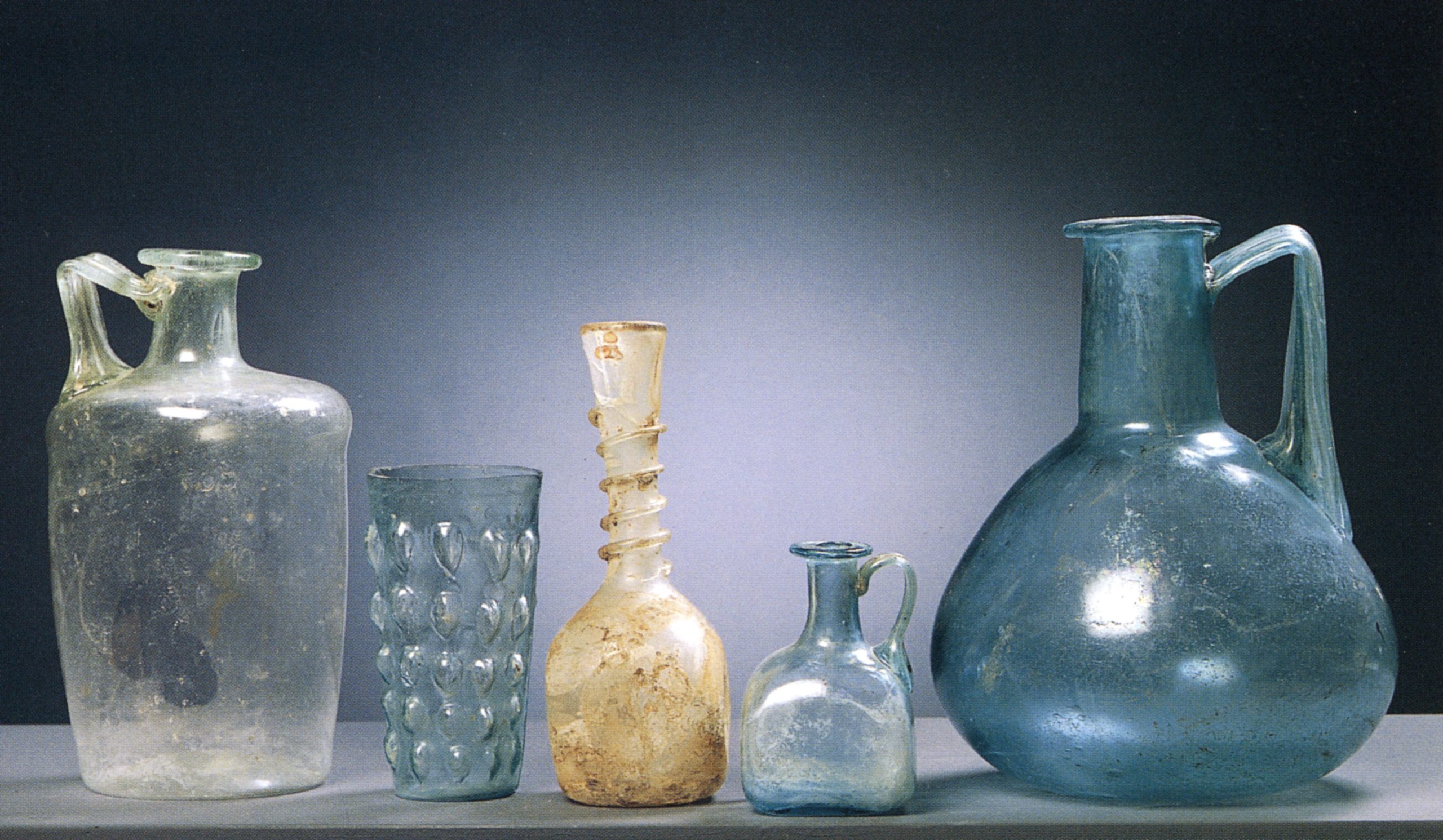
Excavations show that Roman Ateste occupied the western part of the present city. Bounded on the north and south by necropolises, it had orthogonal streets along which the mostly one-story, multi-room brick houses were arranged. Some had mosaic floors, painted walls, running water carried by lead pipes, and heating with terracotta pipes. Excavations at the Ospedale Civile (1978-80), via Tiro a Segno (1967- 1972-1974, now open to visitors) and via Salute dell’Olmo revealed living quarters with houses with mosaic or signino floors; in 1937 a luxurious suburban villa emerged at Serraglio Albrizzi. Houses were equipped with table and kitchenware, oil lamps for lighting, furniture, and personal items; in the private shrine or lararium, domestic worship was practiced with bronze statuettes and altars.