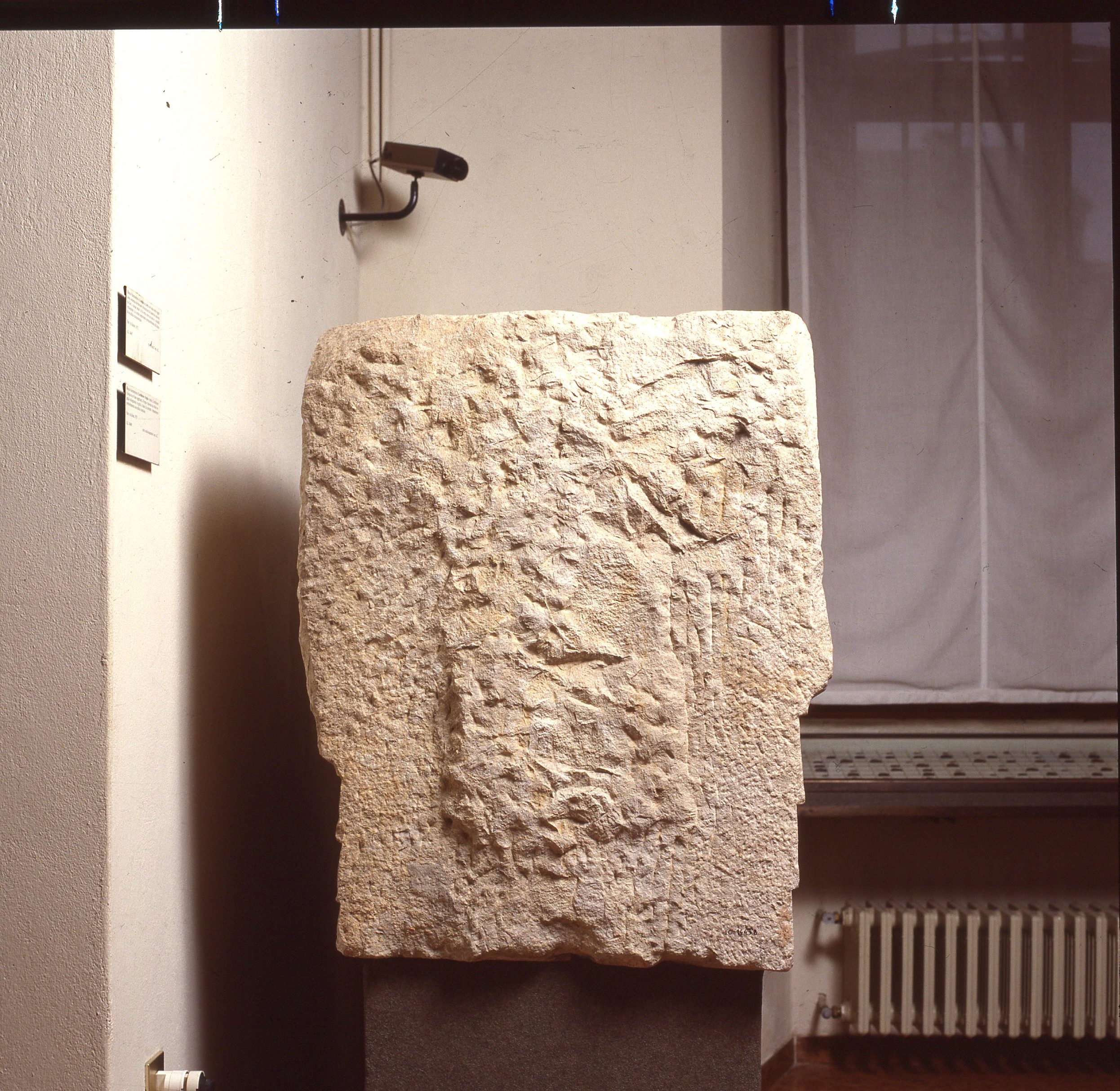
After the victory at Actium (31 BC), Augustus assigned land to veterans, making Ateste a colony. The land was reclaimed and divided into plots of land through a process called centuriation; veterans lived off agriculture and enjoyed subsidies and privileges that enhanced their prestige.
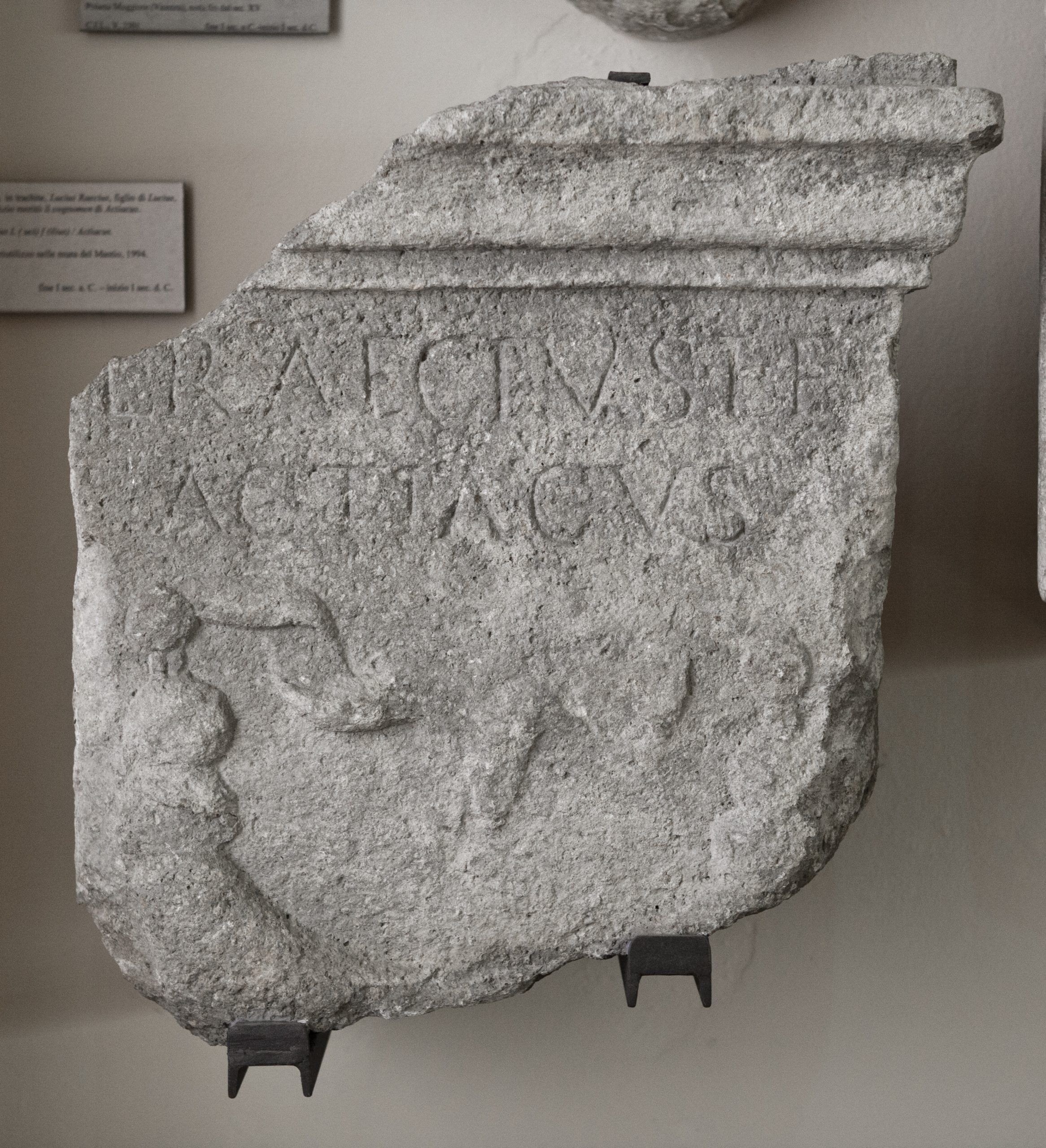
Epigraphs of former soldiers of Legion XI, some bearing the surname Actiacus, and veterans of Legions IV Macedonica and V Urbana, including a signifer (insignia bearer), are known in Este. Some veterans were admitted (adlecti) into the local senate (ordo decurionum), donating sums of money (summae honorariae) for public works. Legionaries originally from Este are also attested in other regions of the empire with the surname Atestinus or membership in the Romilia tribe.
Ateste’s public housing
The Roman city was modelled on the Venetian settlement. The orthogonal streets were paved with trachyte slabs, with a hump-backed carriageway. The monumental centre (forum) was situated in what is now the Olmo district, where the cardo and the decumanus maximus intersected. Many fragments of public buildings were reused later, but the finds from this area allow us to reconstruct a rectangular square with porticoed buildings featuring Corinthian columns and a cornice with corbels decorated with rosettes and dentils, and a frieze with acanthus scrolls, dating to the first half of the 1st century AD. Public inscriptions such as the Fragmentum Atestinum and that of the curator aquarum also originate from this area.
Translated with DeepL.com (free version)
Amphorae and trade
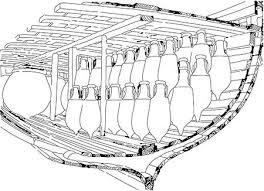
Amphorae were ceramic containers for transporting foodstuffs, especially wine, oil, and fermented fish sauce (garum). They had a narrow neck, a sealed mouthpiece with a stopper, two handles for handling them, and a spike at the base of the body, which allowed them to be stacked in the hold of honorary ships. The shape of the handles and body varied according to the place of origin, becoming a true mark of origin. They often bore manufacturers’ stamps impressed on the rim or handles, or painted inscriptions (tituli picti) with data on product and capacity. The amphorae testify to Roman Ateste’s trade contacts: oil and wine from the Po Valley and Istria, Spanish garum, Aegean wine, and North African oil. After use, they were used for land reclamation or to hold grave goods.
The administration of cities
Inscriptions from Ateste testify that the colony was administered by duoviri, magistrates similar to the consuls of Rome. Accompanied by the lictors, they were in charge of public works, finances, and worship and convened the local senate (ordo decurionum). The aediles oversaw public safety, markets, and road maintenance; the quaestores managed public money.
The curator aquarum managed water works. Religious offices included the pontifex, who oversaw public religion, and the Flamen Augustalis, priest of the emperor’s cult, which was also taken care of by the Seviri Augustales, an association of priests. The college of Seviri, composed of wealthy freedmen, organized public games and spectacles, thus showing their social ascendancy.
How clear is the information on this page?
Thank you, your feedback will help us improve the service!
This site is registered on wpml.org as a development site. Switch to a production site key to remove this banner.