Necropolis
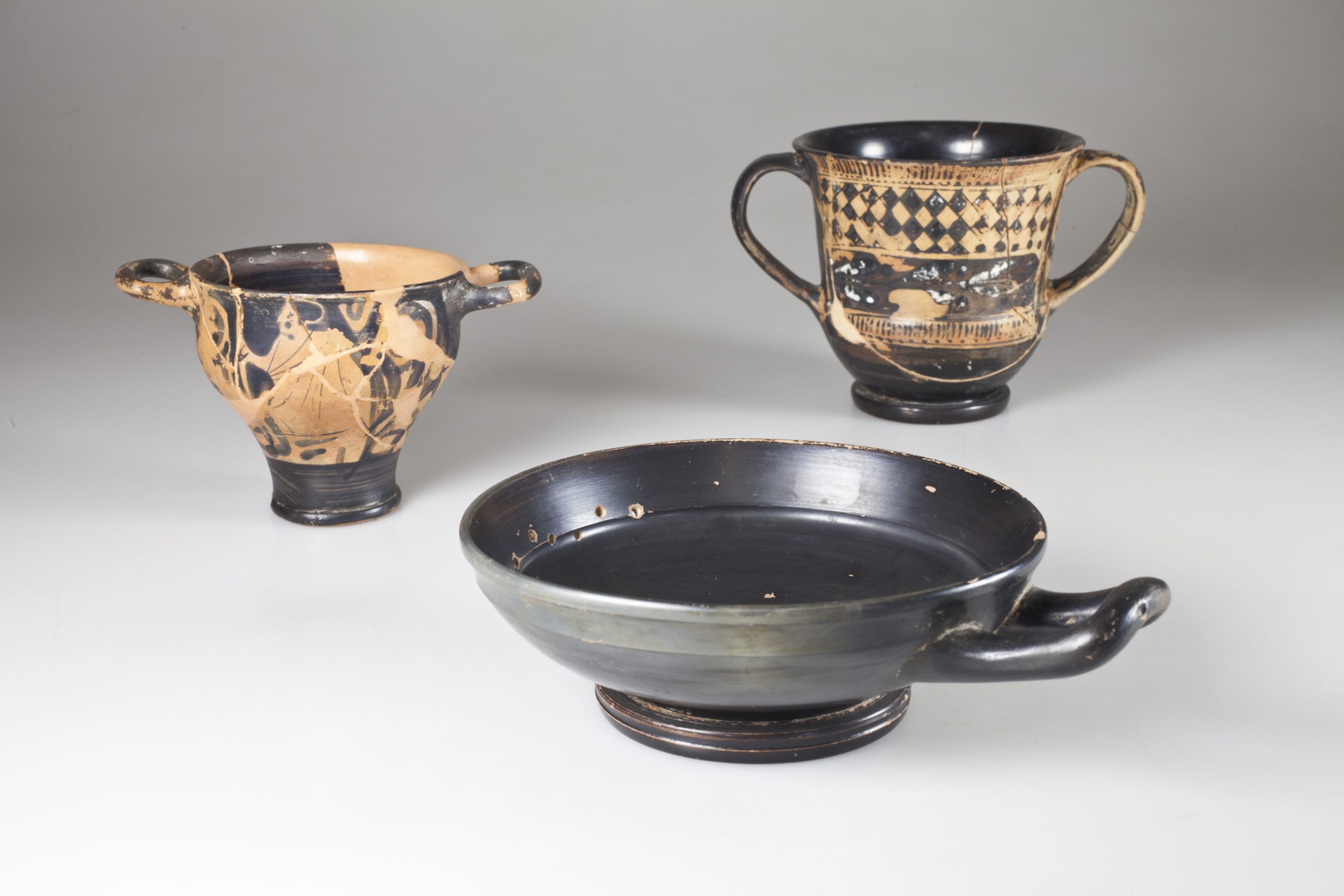
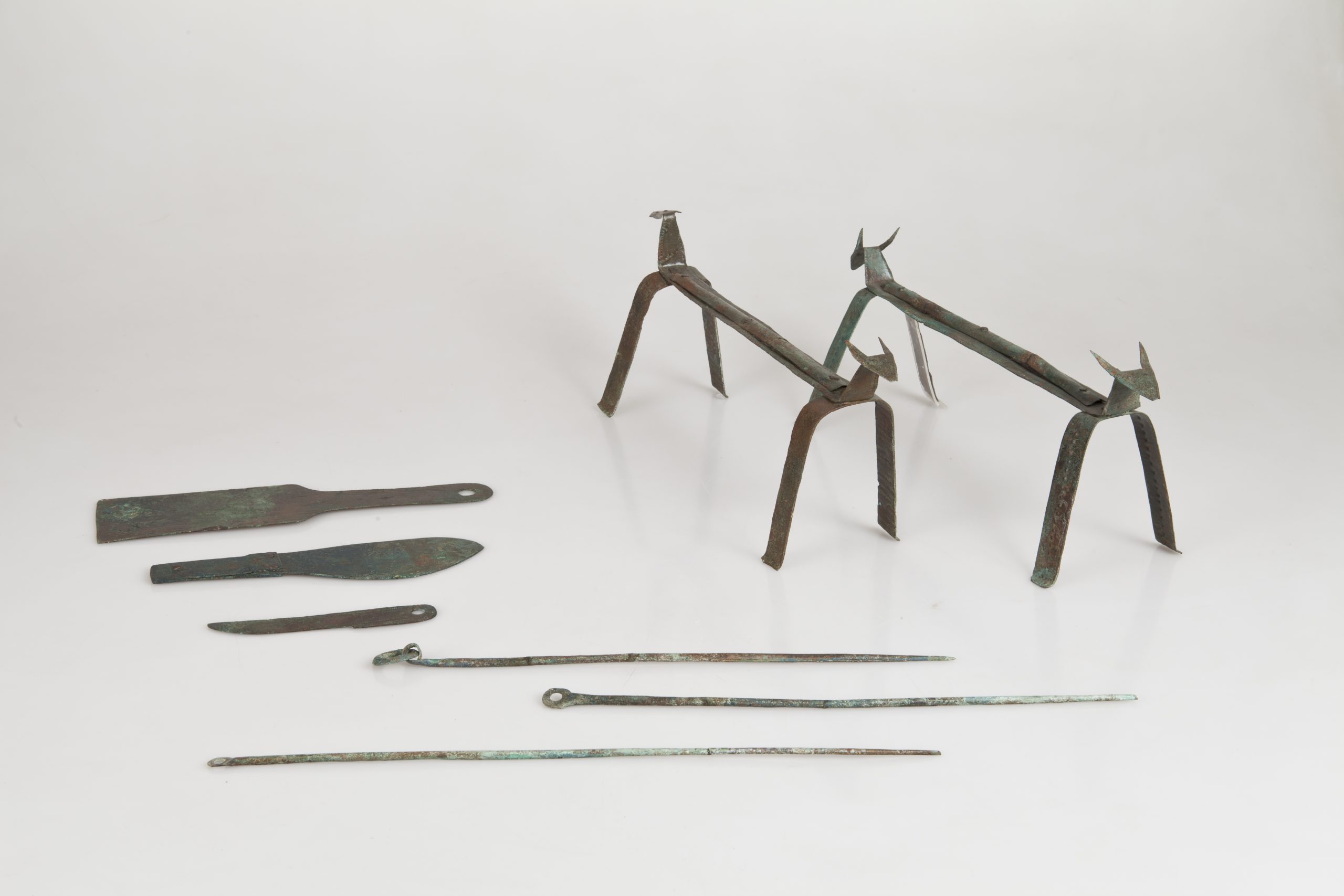
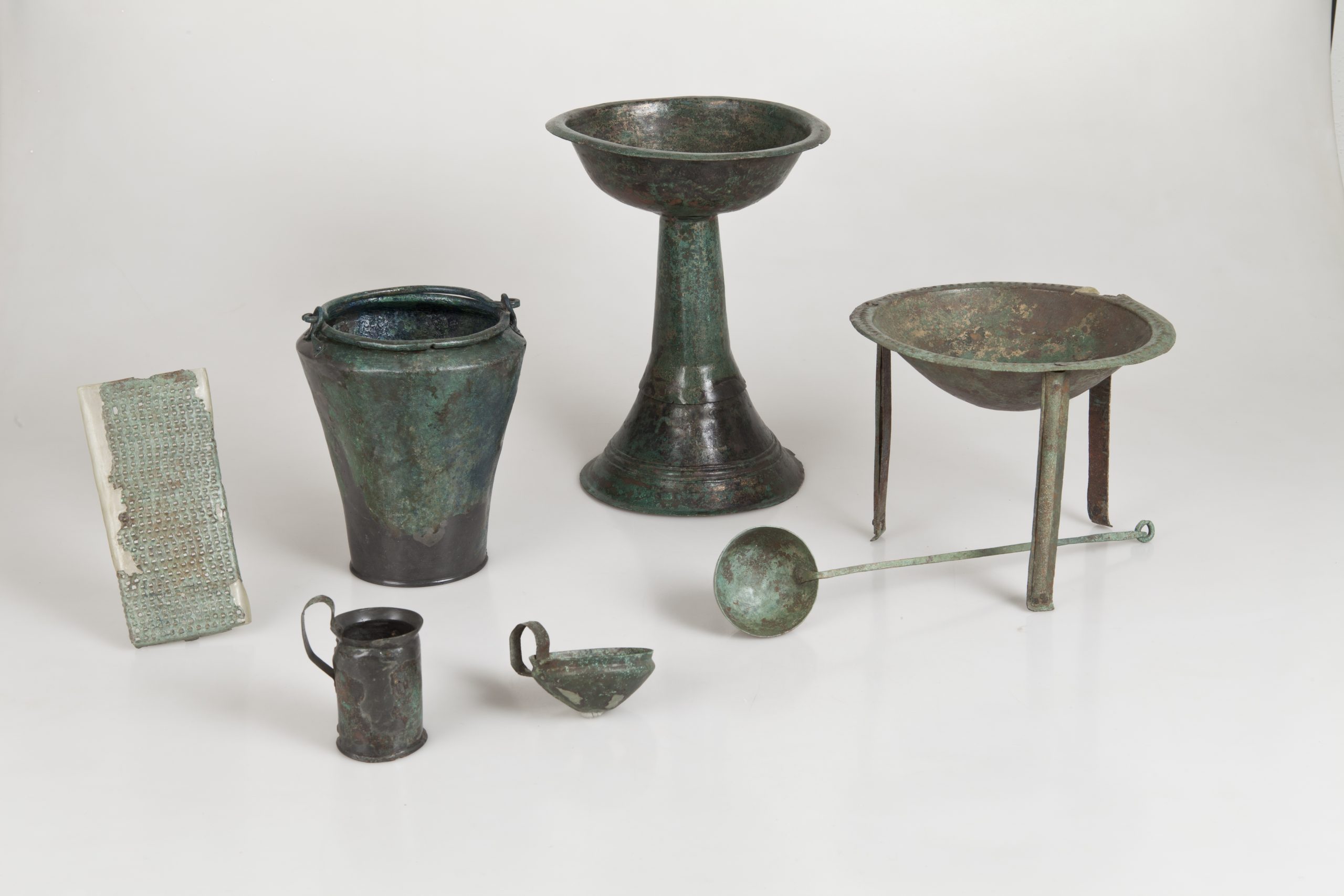
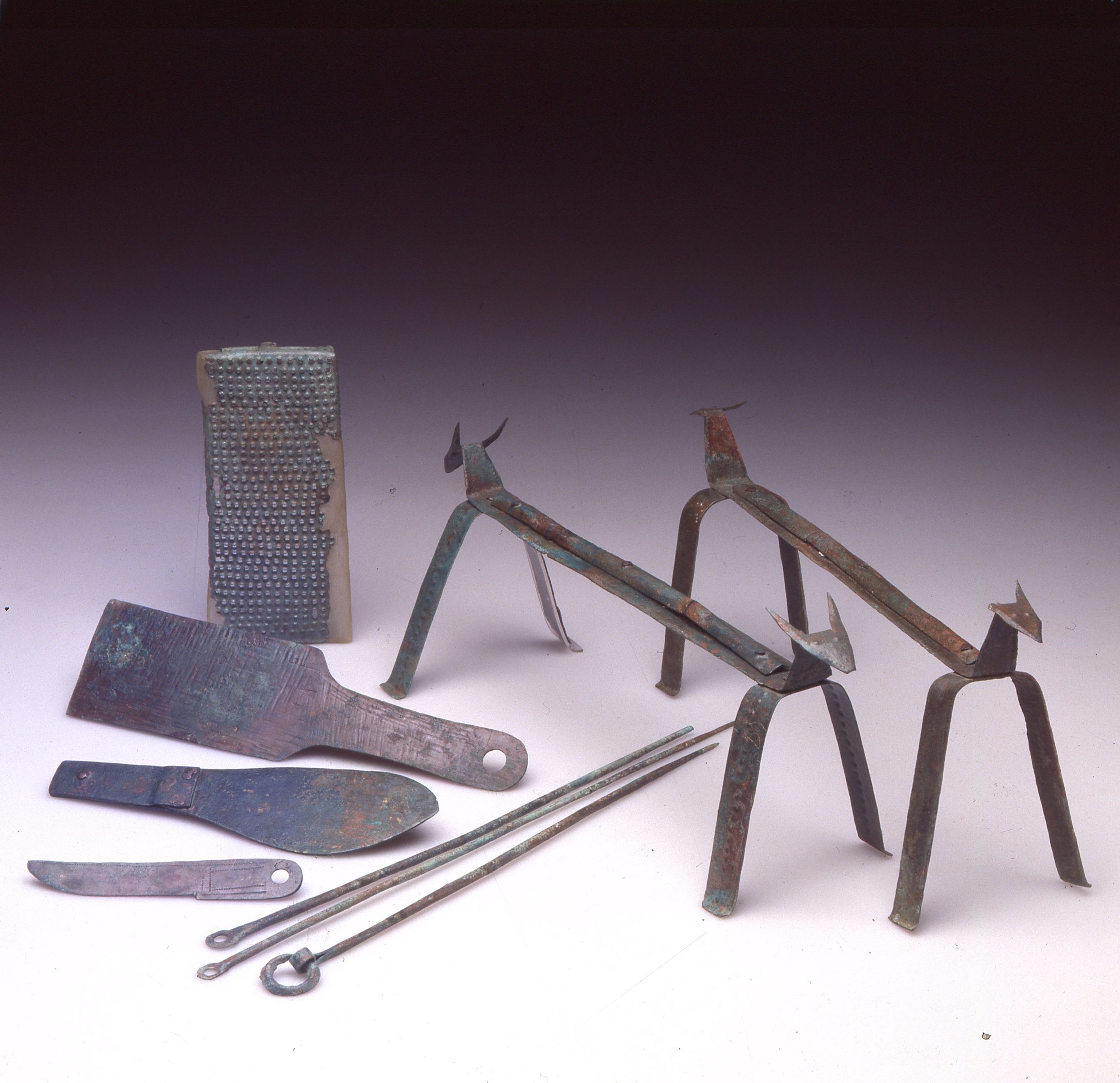
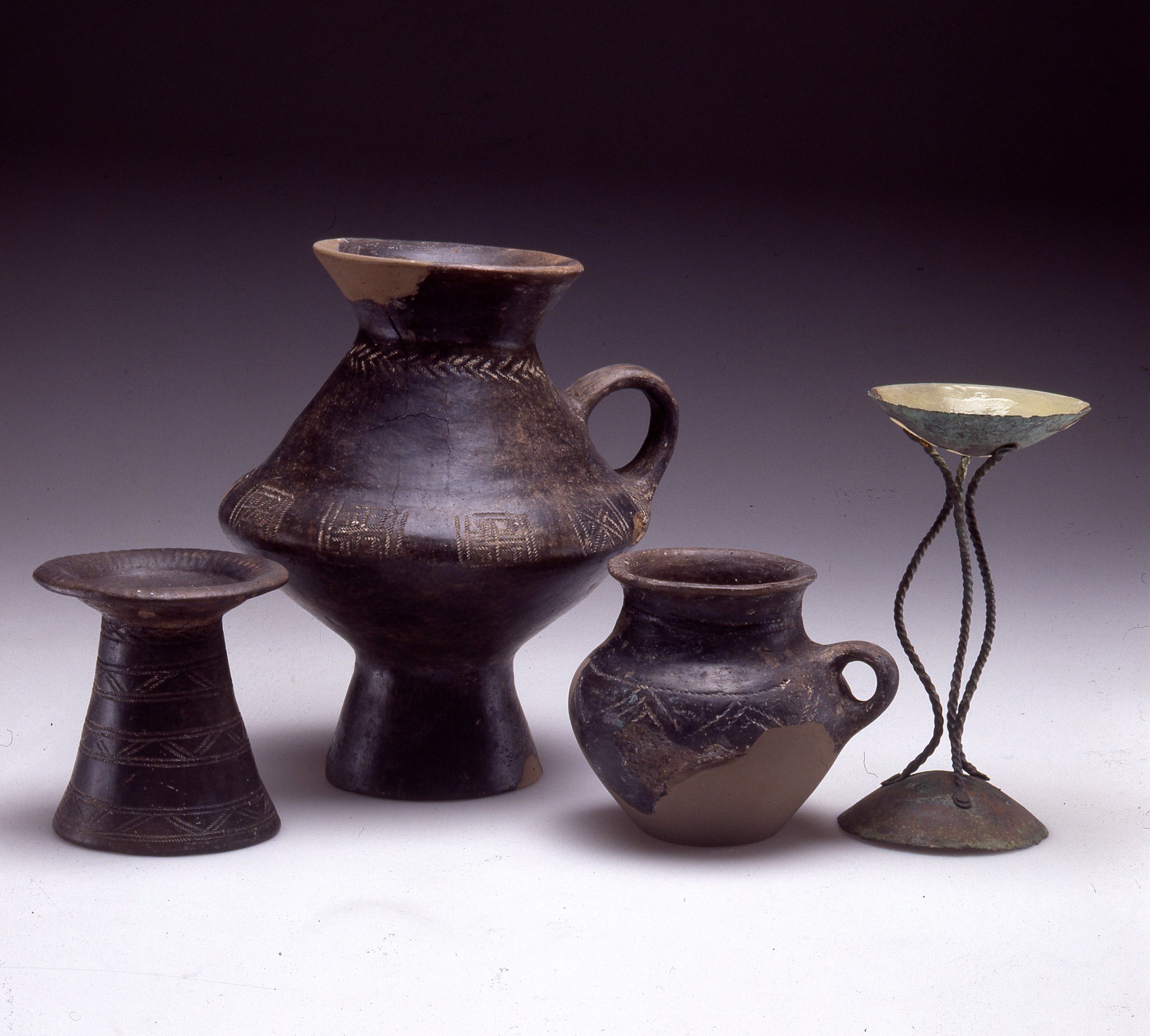
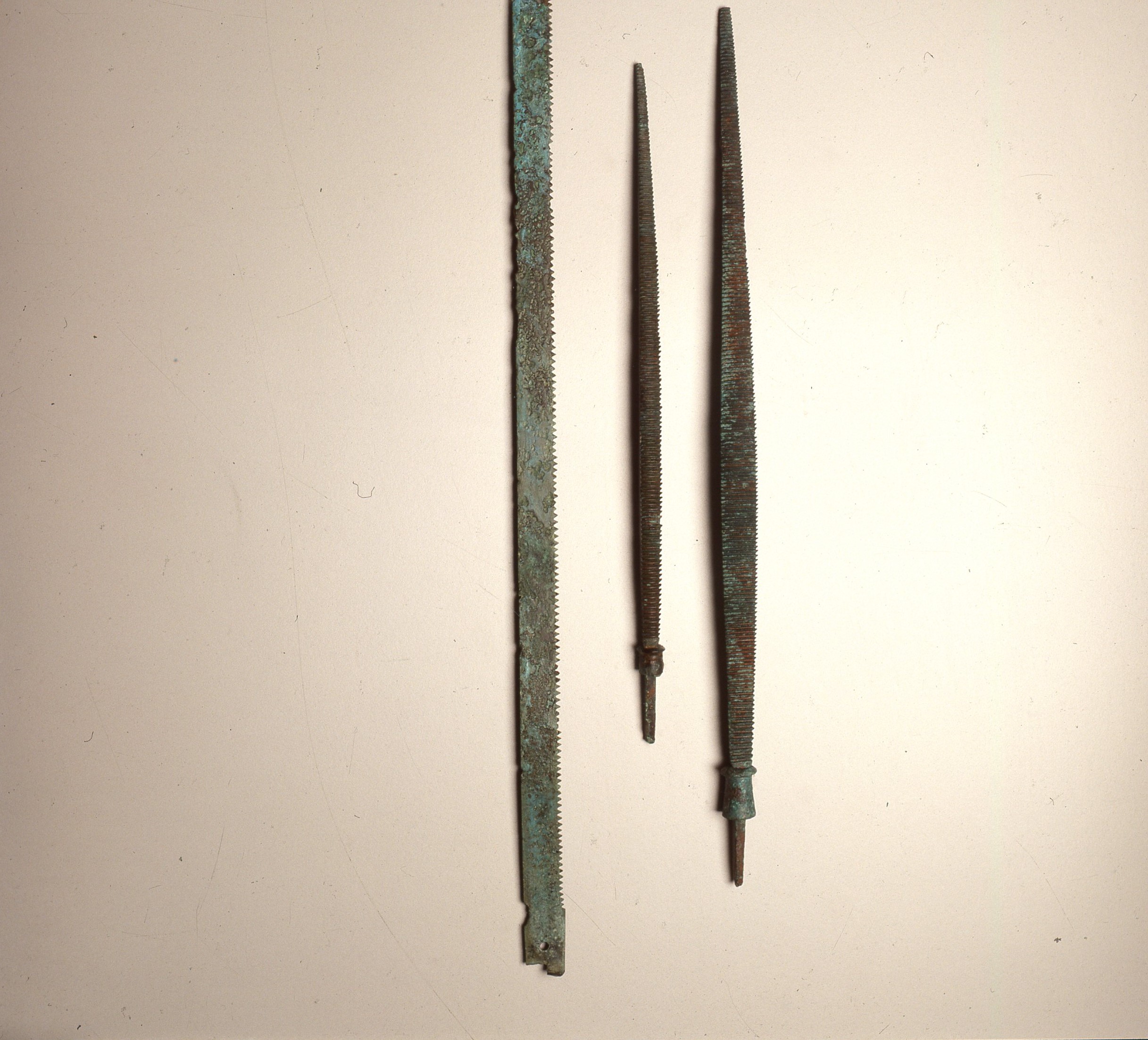
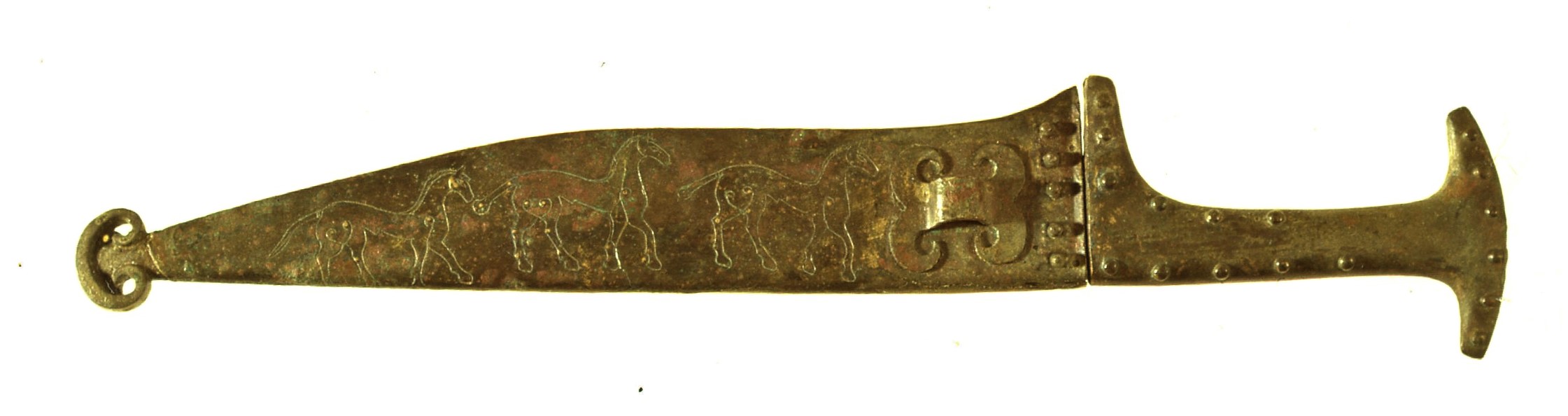
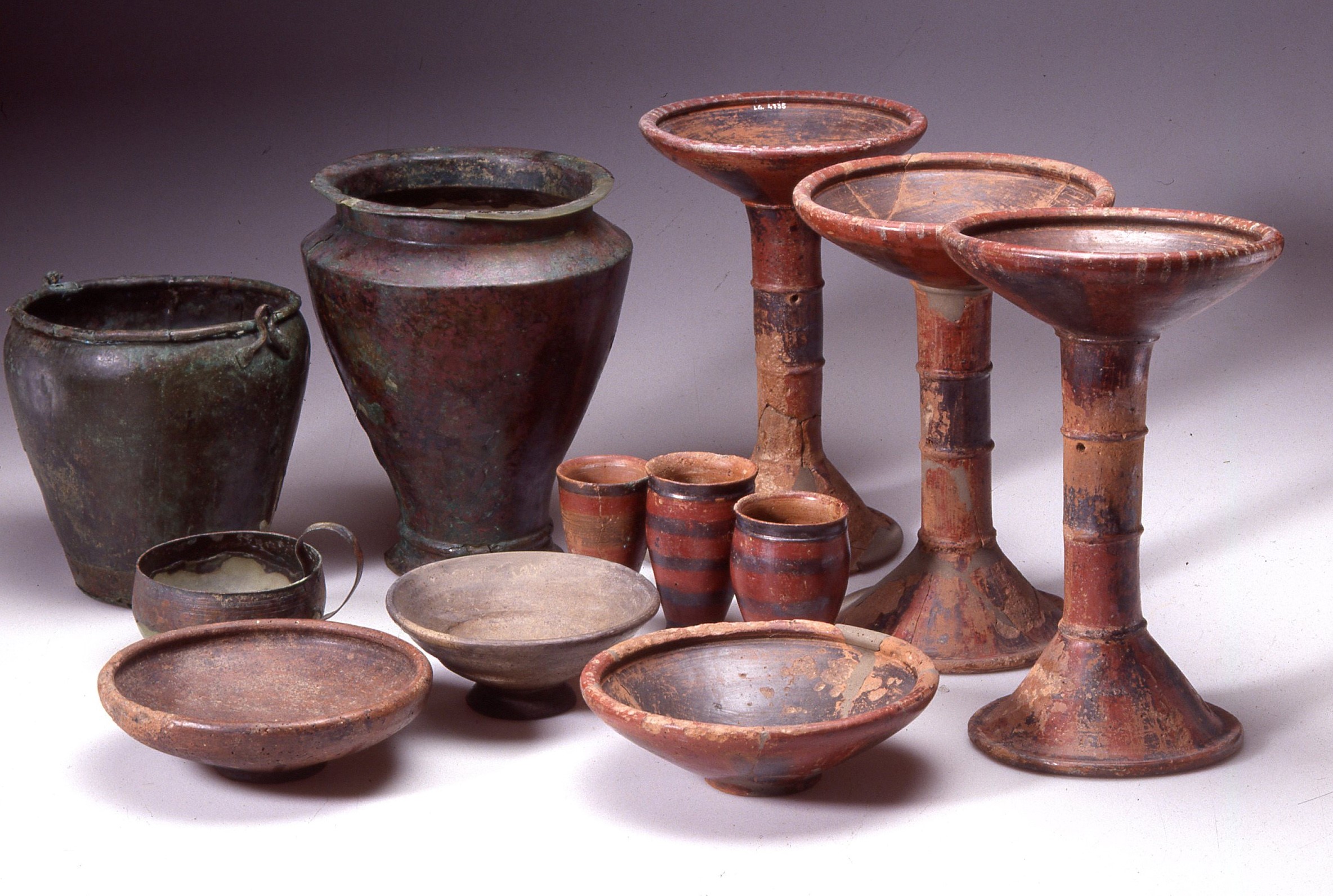
The third room is dedicated to funerary rites. The exhibition features a selection of the most significant grave goods from the Atestine necropolises, which were arranged in long strips to the north and south of the settlement. A number of cremation burials in stone-slab coffins and inhumation burials illustrate the various burial customs. Certain tombs stand out for the richness of their ossuary vases or ornamental objects. The constantly updated study of contexts and materials allows us to reconstruct the main social and economic transformations of the Atestine community: the emergence in the 8th century BC of figures of princely rank; the formation of the aristocratic class during the 7th century; the rise of the wealthy classes between the 6th and 5th centuries BC and the development of imports from Etruria, southern Italy and Greece; the intensification, from the 5th century onwards, of influences from Celtic culture beyond the Alps.
Shelter House 236
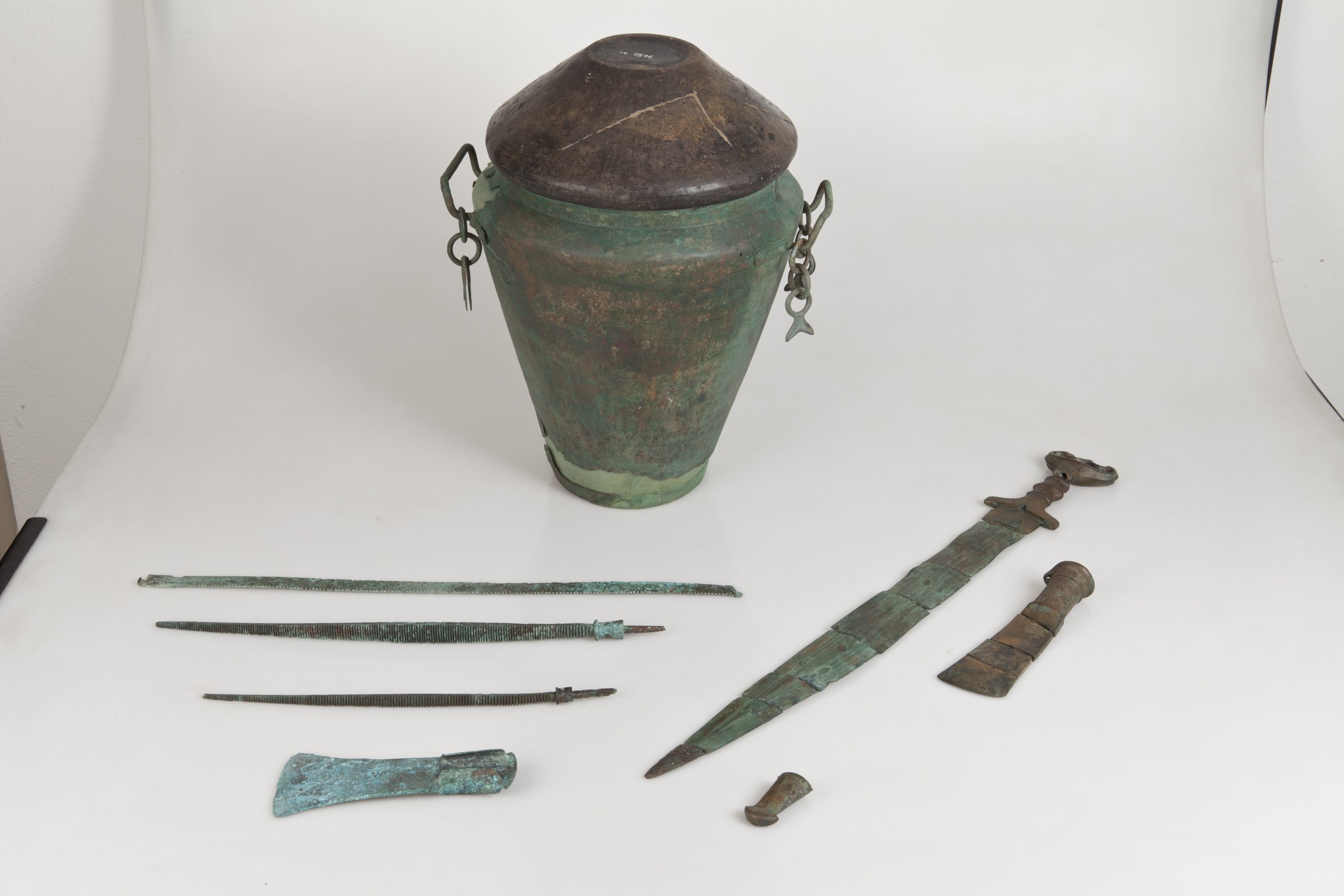
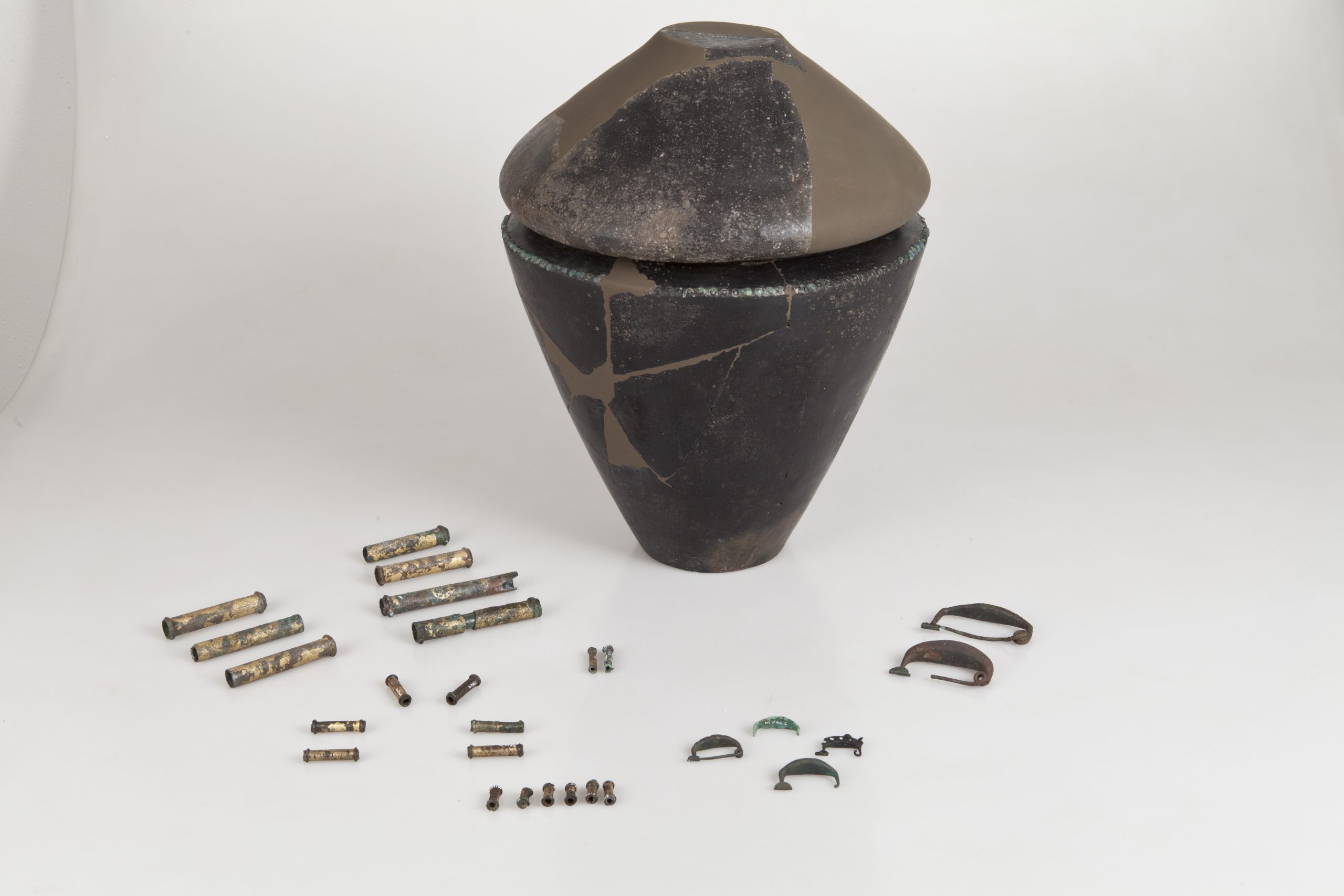
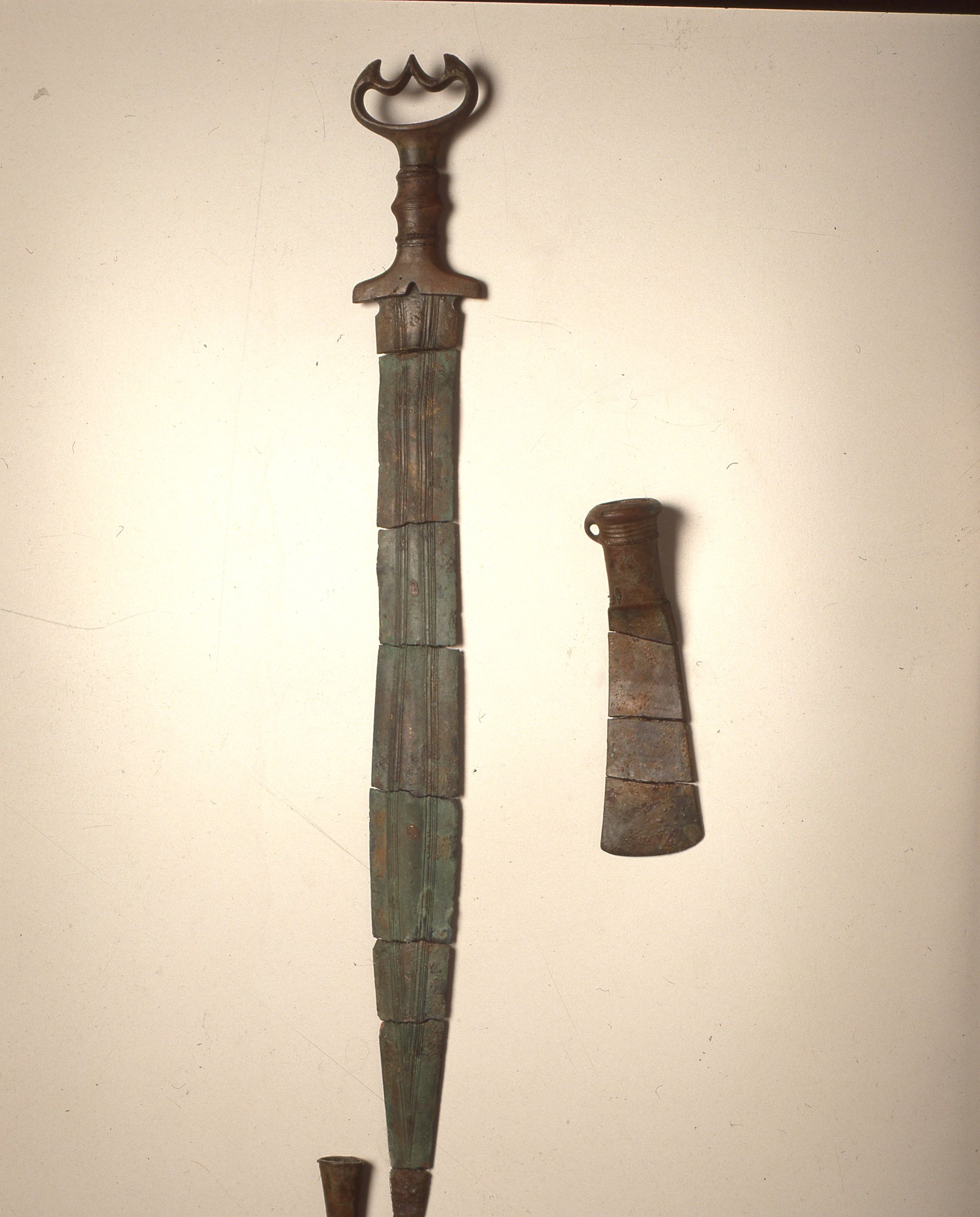
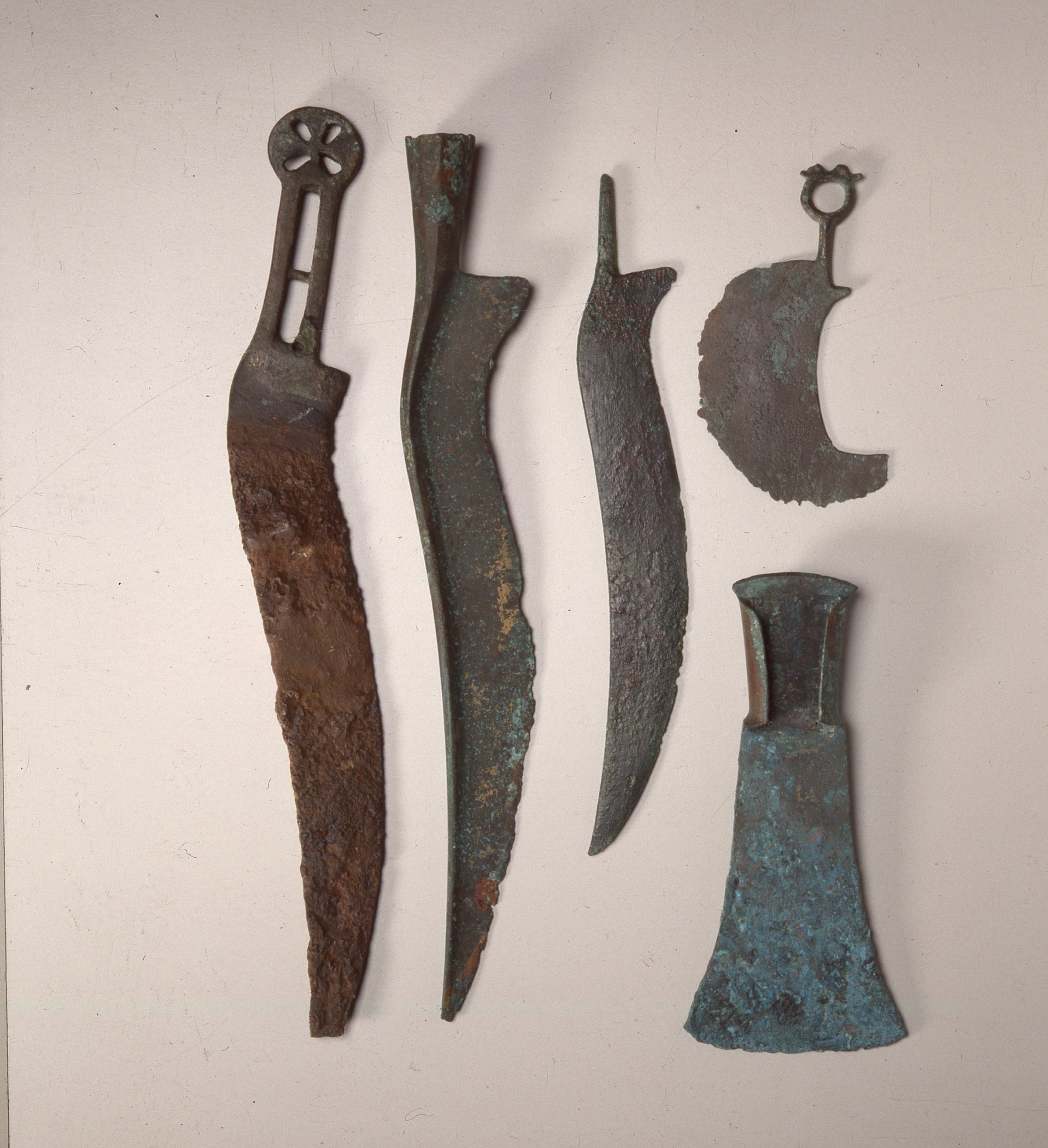
Funeral ritual in the Iron Age
The prevailing funerary rite in Este in the Iron Age was incineration; the burnt bones with personal ornaments were placed in a vase-ossuary, laid in a pit or in a quadrangular box made of limestone flakes or wood covered with the remains of the pyre (burning earth). Objects belonging to the deceased person, indicating his or her gender and social rank, and sometimes objects offered by family members or used in the burial ceremony, completed the burial. The boxes could be reopened to reunite several deceased persons who had been linked in life by strong, perhaps familial, ties.
The burial rite was rare and the people for whom it was reserved usually had few or no grave goods, so it is possible that they had a different status (nonfree or servile?).
Shelter 232
The funerary landscape of Este
The necropolises of Este developed outside the inhabited area, beyond the watercourses that bordered it, with the main cores to the north towards the Euganean Hills and to the south along the Adige River. The necropolises are known by the names of the owners of the land or the localities where they were found.
The most recent excavations in the House of Shelter necropolis show tombs grouped into nuclei, probably corresponding to extended families, each covered by an almost circular mound, enclosed by trachyte or limestone slabs. From the late 7th century B.C. the enclosures were provided with access corridors, inspired by Etruscan models. Pyramidal memorial stones must have been part of these structures; sometimes they bear, in addition to the name of the deceased, the term ekupetaris, perhaps an indicator of a social class similar to that of Roman horsemen (equites).