
The art of the situlae
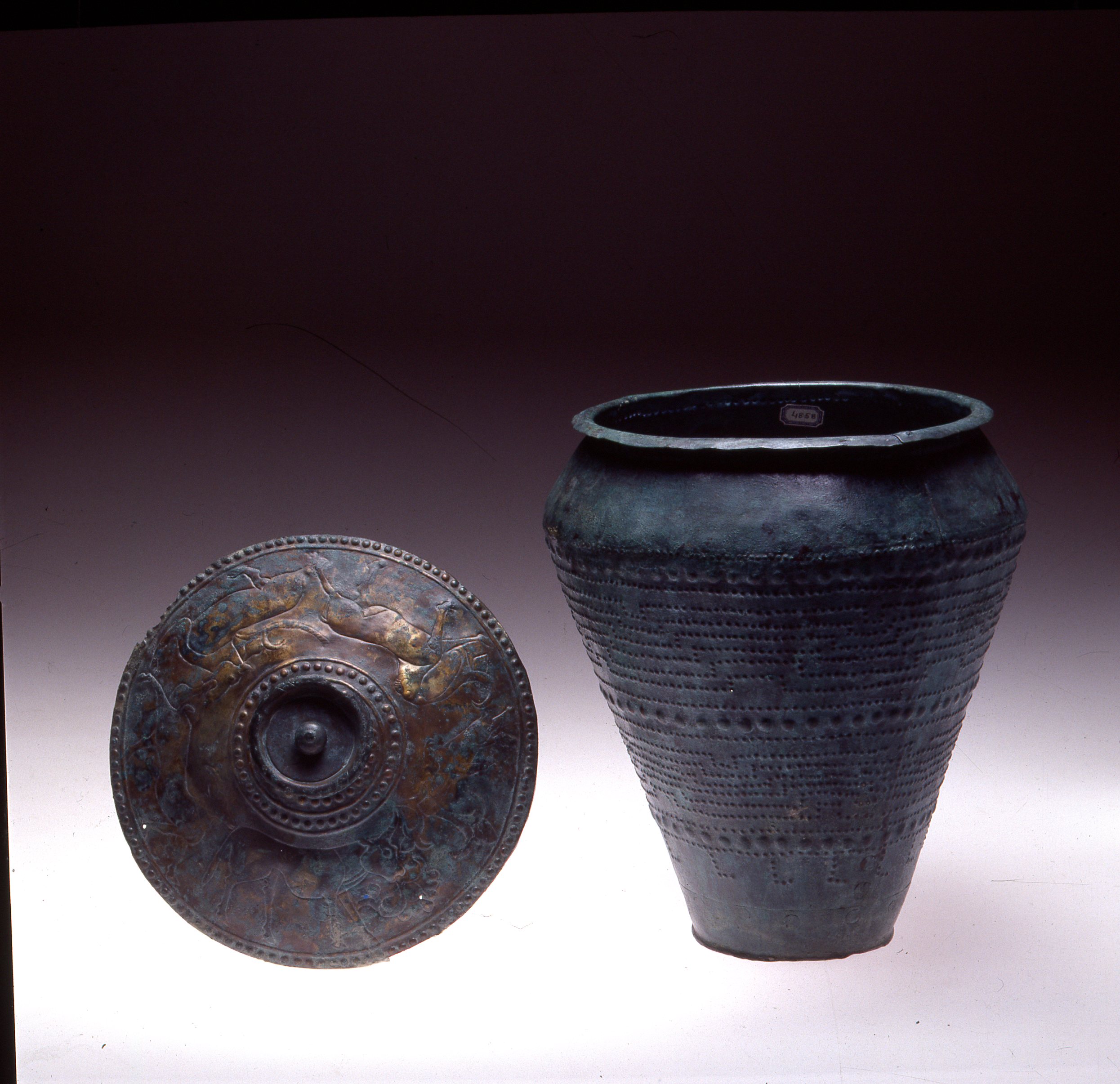
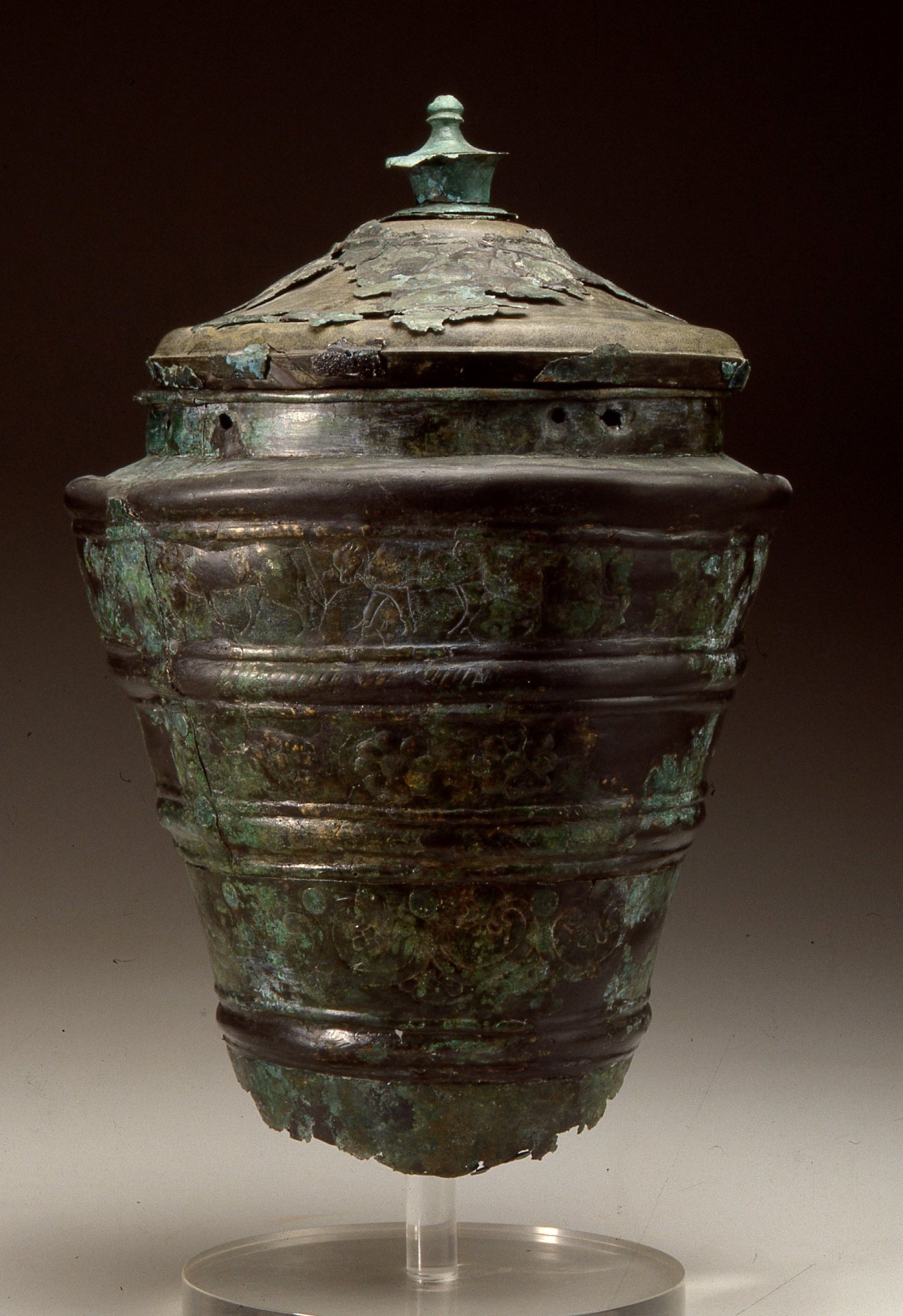
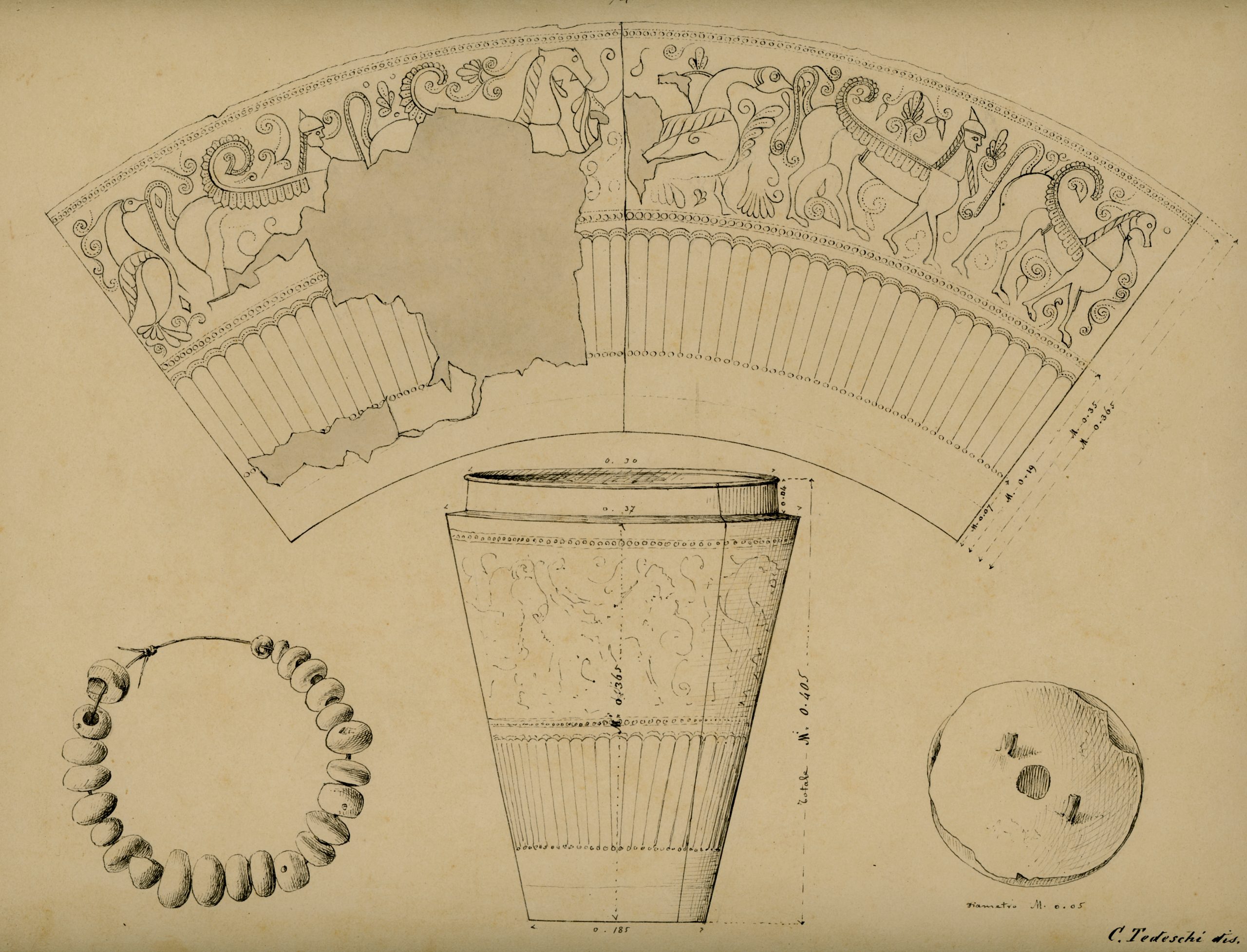
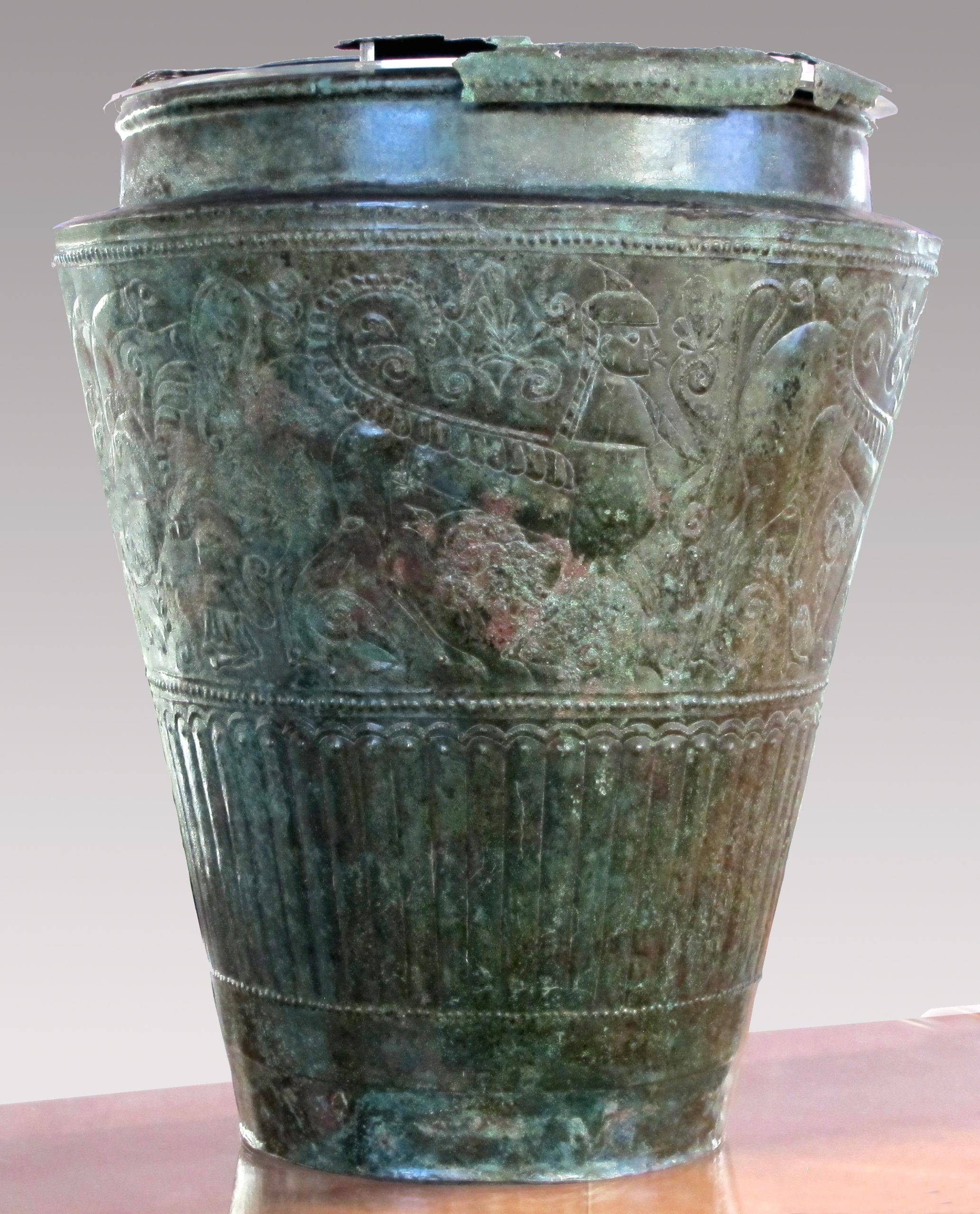
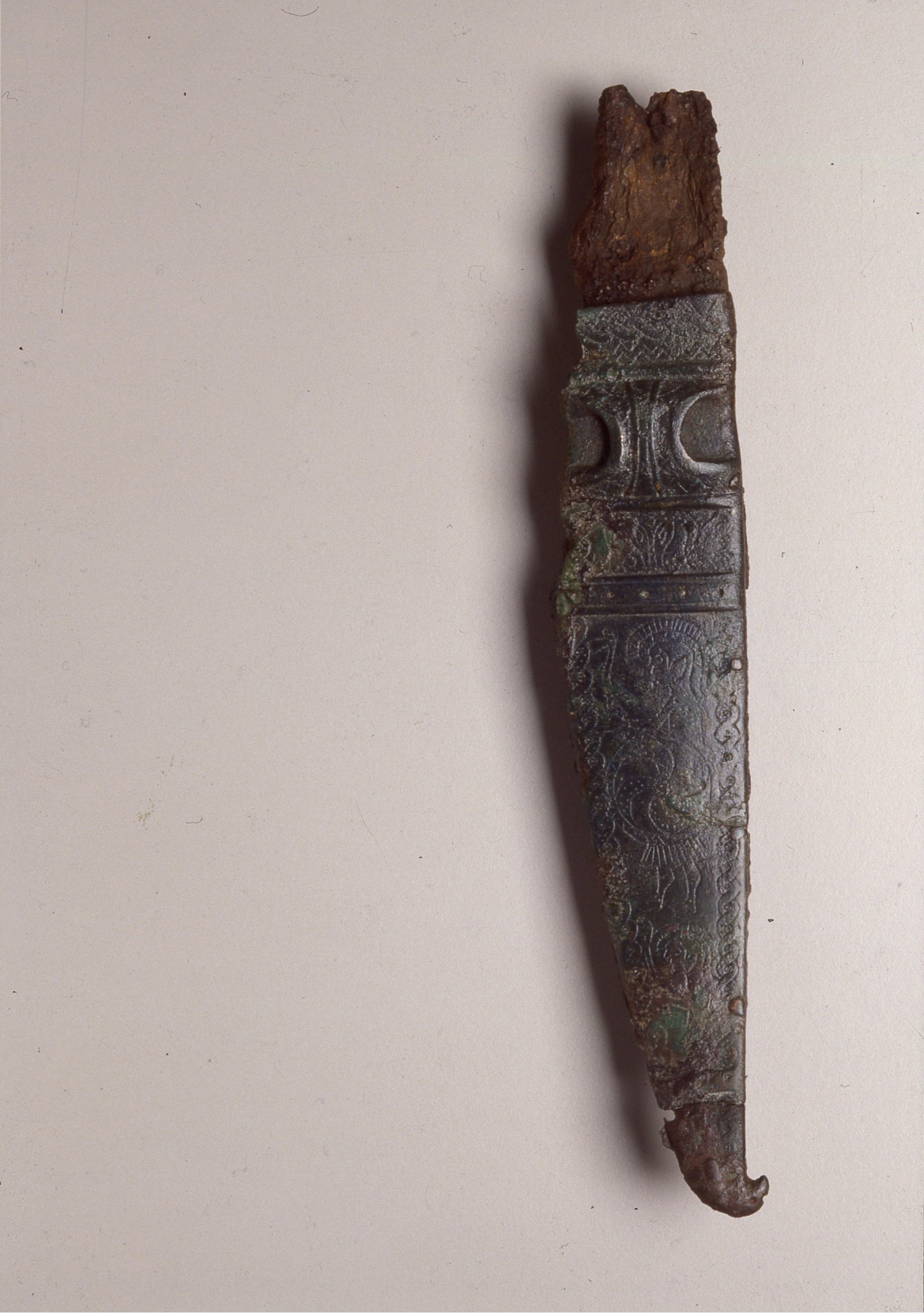
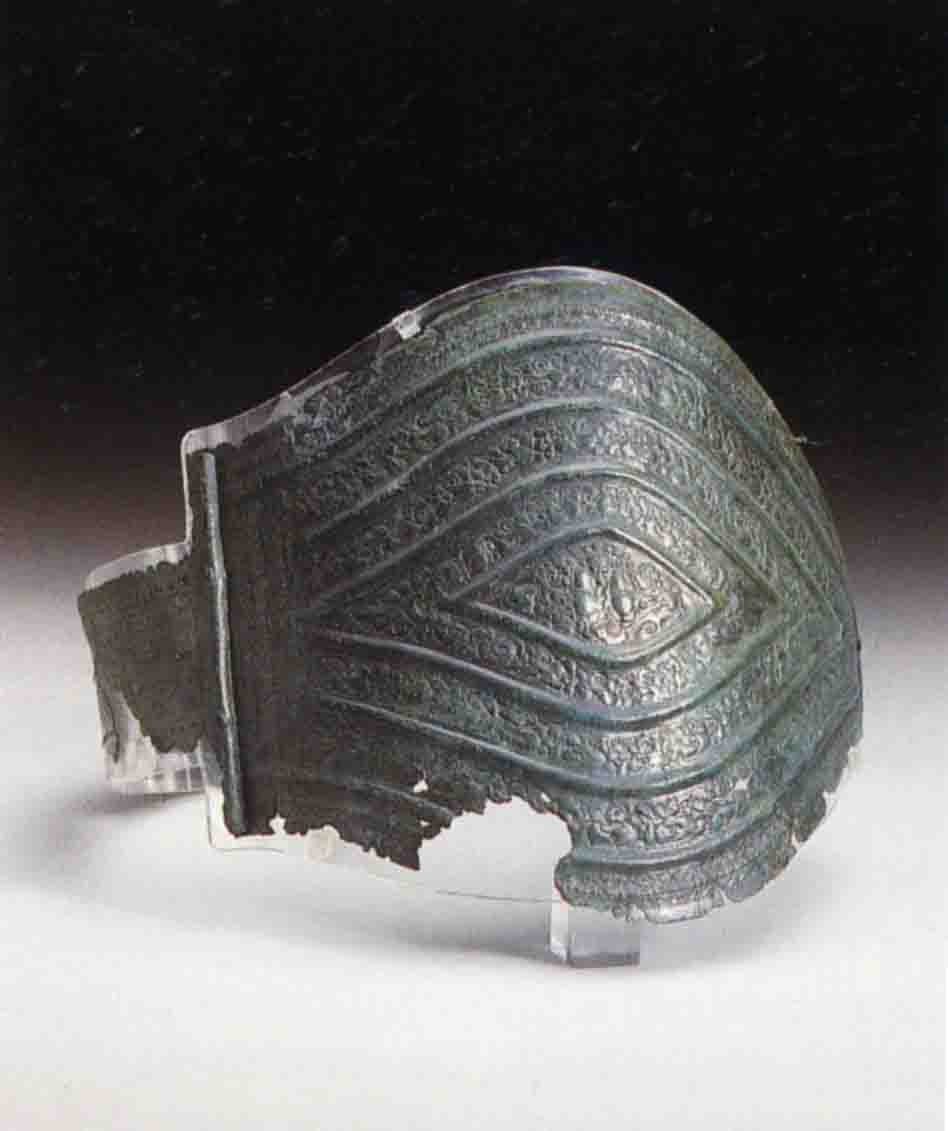
The Art of the Situlae takes its name from the situlae, that is, bucket-shaped bronze vessels decorated with narrative scenes. The laminated, embossed and chiselled bronze also makes personal and identity-defining objects unique, such as the knives with sheaths decorated with animals worn by men, or the gigantic bronze belts densely decorated with real and fantastical creatures worn by women. Works of art worn and displayed to showcase the prestige of high-ranking families from Ateste and beyond. Fantastic animals, ferocious beasts, winged monsters and sphinxes; their poses and gestures are laden with meaning and speak through a symbolic language now lost. The ‘material’ aspect and the craftsmanship of these ancient works are the result of the immense skill of the master craftsmen of the ancient Veneti in working with bronze sheet metal.
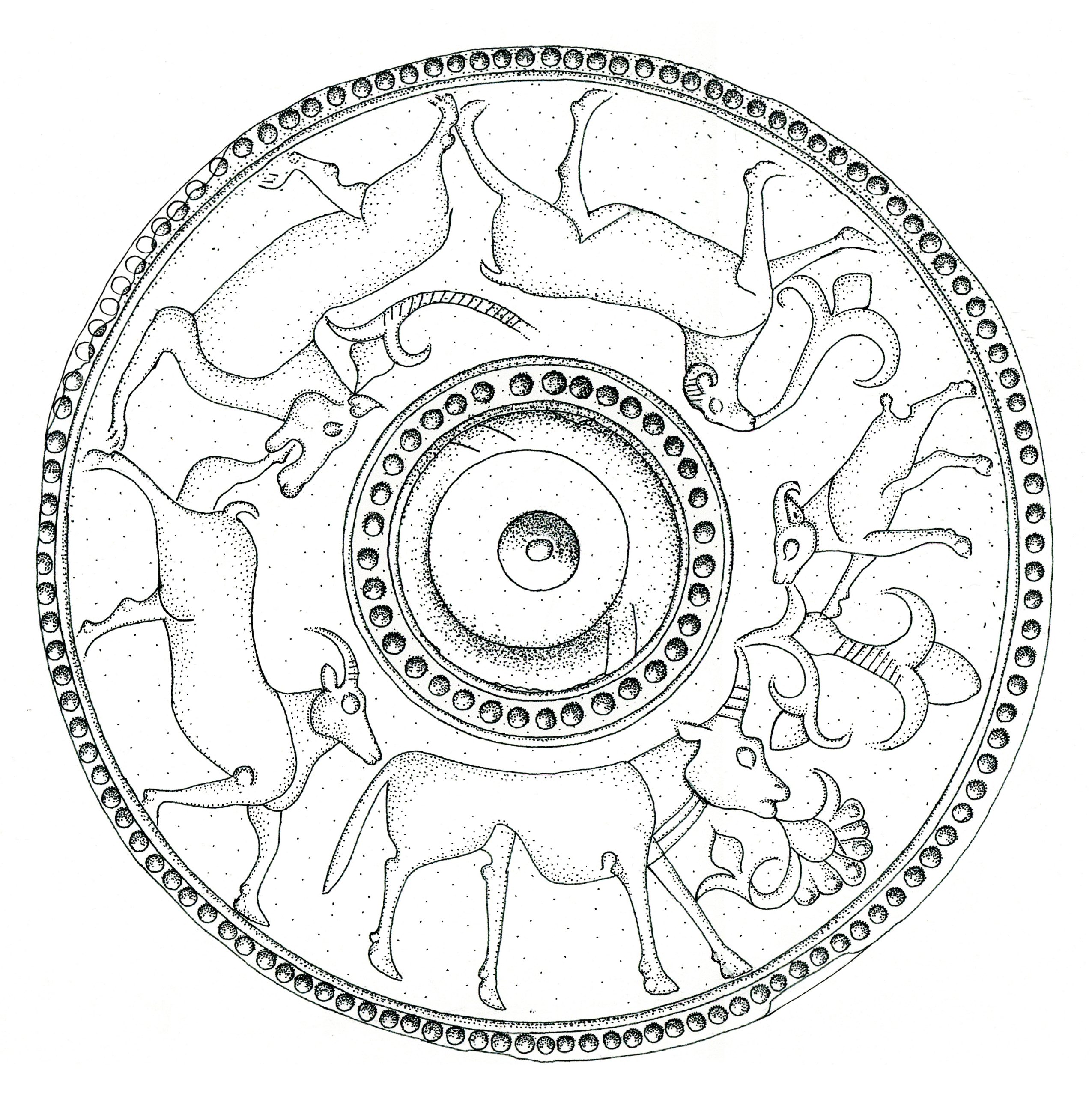
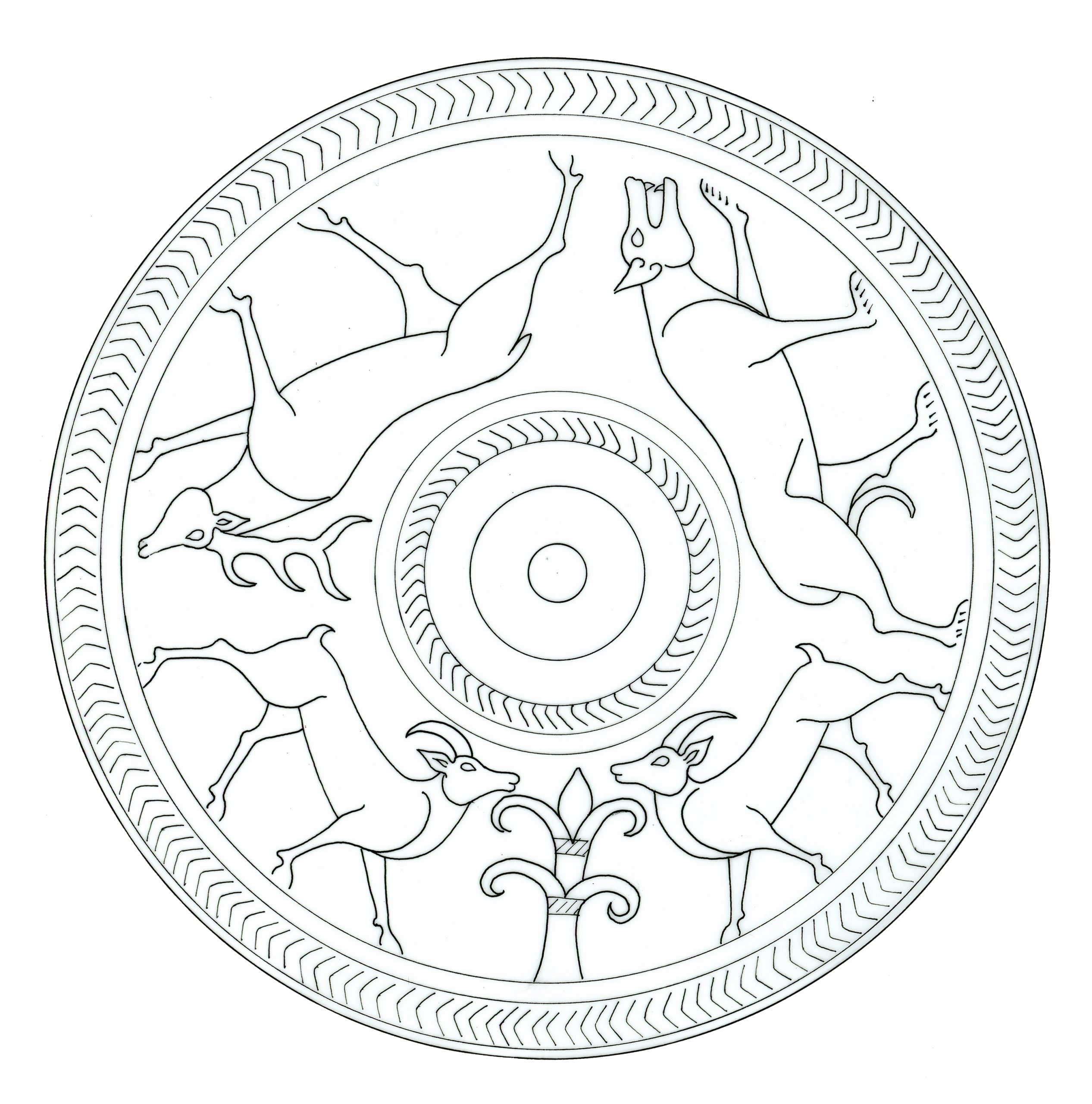
The most important artistic manifestation of the pre-Roman Veneto was the so-called “art of the situlae,” which flourished between the late 7th and 3rd centuries BC. This was an exceptional skill in making bronze foil objects adorned with rich figurative decoration by burin and embossing, especially bucket-shaped vessels (situla in Latin). The subjects depicted are plant elements, real or fantastic animals, complex scenes with many figures about whose meaning scholars still debate (Mythological episodes? Representation of rituals? Significant moments in the lives of the aristocrats for whom the objects were made?). This repertoire, of eastern origin, came to Este from Etruria through the mediation of Bologna, but it also spread to the rest of northeastern Italy as far as Austria and Slovenia.
Situle

Not only situle
This room displays the remains of people who died in the past, as found during excavations and archaeological research. The study of human remains makes it possible to gather much information about the lives of ancient peoples and their relationship with death; the exhibition aims to share this knowledge with the public.
Everyone is asked to approach these materials with respect. Depending on one’s sensibility, each person may freely choose not to dwell on this section.