The burial grounds in the Este area
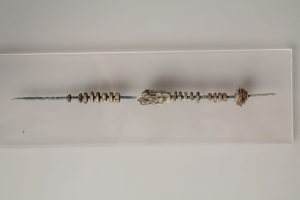
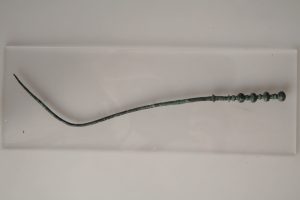
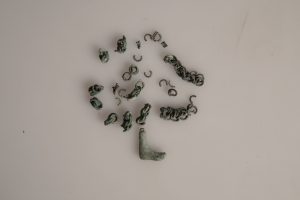
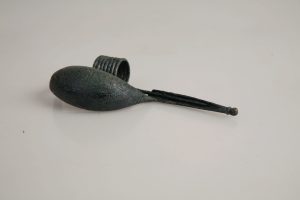
On display are tombs from Late Bronze Age/Early Iron Age burial sites at Montagnana-Borgo S. Zeno, including a unique example of the inhumation of a young woman. Four cremation cists with grave goods from Saletto di Montagnana have also been reconstructed; these date from between the early 7th and late 6th centuries BC and most likely relate to a small satellite settlement of Este.
Arquà
In 1938 Adolfo Callegari, director of the museum, unearthed 17 box tombs lined up in three rows at the foot of Monte Ricco, with circles of trachyte stones marking their positions.
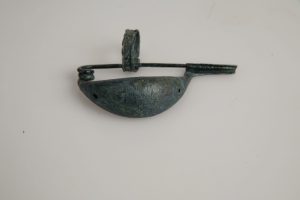
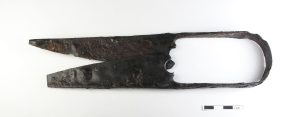
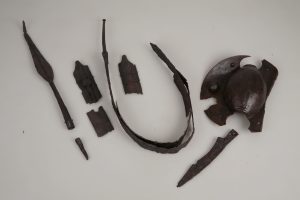
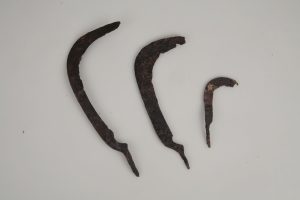
The iron weapons and ornaments can be attributed to the culture of the Cenomani, a Celtic population already settled between Brescia and Verona, who penetrated the Este territory from the west by the end of the 2nd century BC.
The influence of the local tradition is most evident in the adoption of the “family tomb” (tomb A) and the Venetian alphabet for Celtic names, as evidence of the dependence between the residents of Arquà and the Celtic elites integrated into Atestine society.
The presence of implements for agricultural and pastoral activities instead of weapons in the burials of the 1st century BCE is a symptom of the peaceful integration into the Roman orbit.

Saletto
On an ancient alluvial hummock, generated by the sands of the Adige between Este and Montagnana, southeast of the center of Saletto, 42 burials dated between the early seventh and late sixth centuries B.C.E. were discovered, most likely relating to a minor settlement. The burial ritual was similar to that of Este, although here the use of wood for the boxes that contained the burials was more frequent and the grave goods were more homogeneous, with few cases emerging in wealth. After the burning remains and fragments of the vessels used in the burial ceremony were scattered on the box, the grave was covered with a small earthen mound.
The four tombs represent the chronological span of the necropolis and the variations in burial rites; the reconstruction was carried out on the basis of the excavation data.