Venetians, Celts, Etruscans, Romans
Relations between different peoples leave traces in the archaeological record in the form of objects foreign to local taste and traditions. These artifacts may be the outcome of trade and commerce or the movements of people who bring them with them; in some cases, local production of objects similar to imported ones or modification of their original use is also observed.
Language and writing, when attested, also provide information about the ethnic and cultural identity of those who made or commissioned the inscriptions. From the comparison of material culture and epigraphy we can reconstruct, with varying degrees of accuracy, cases of mobility of people and processes of exchange and integration between different cultures, as in the cases exhibited in this room.
Tomba Benvenuti 123
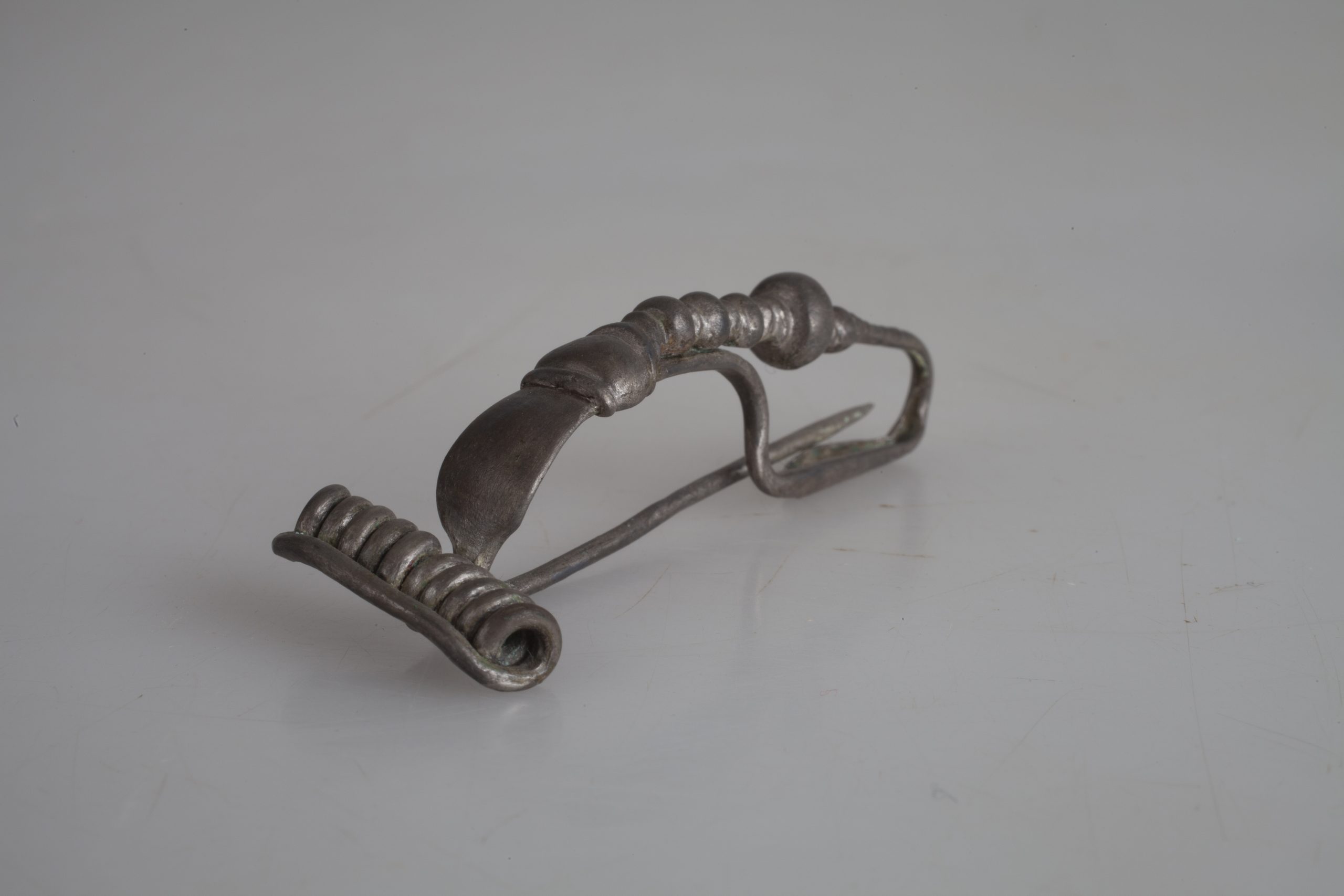
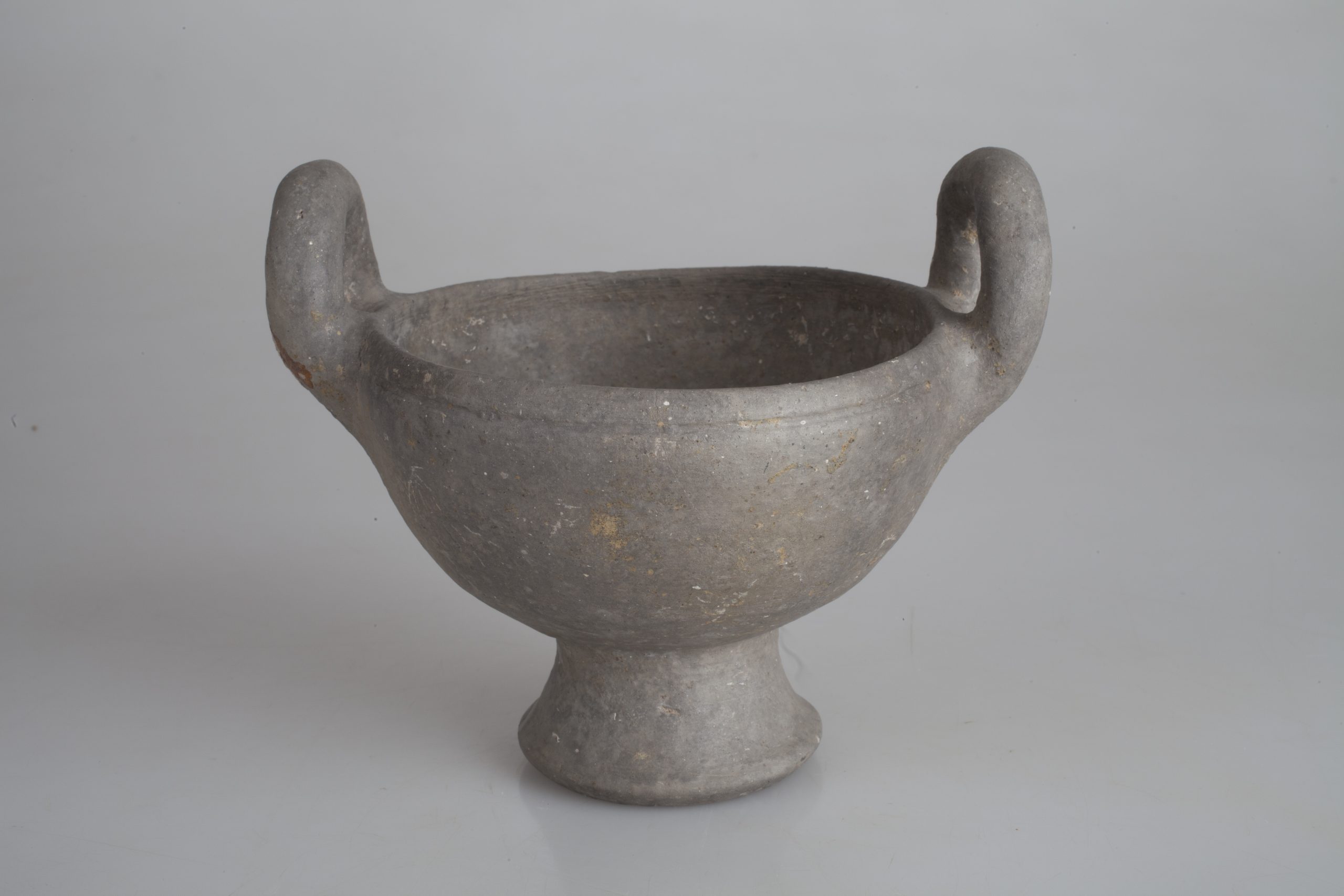
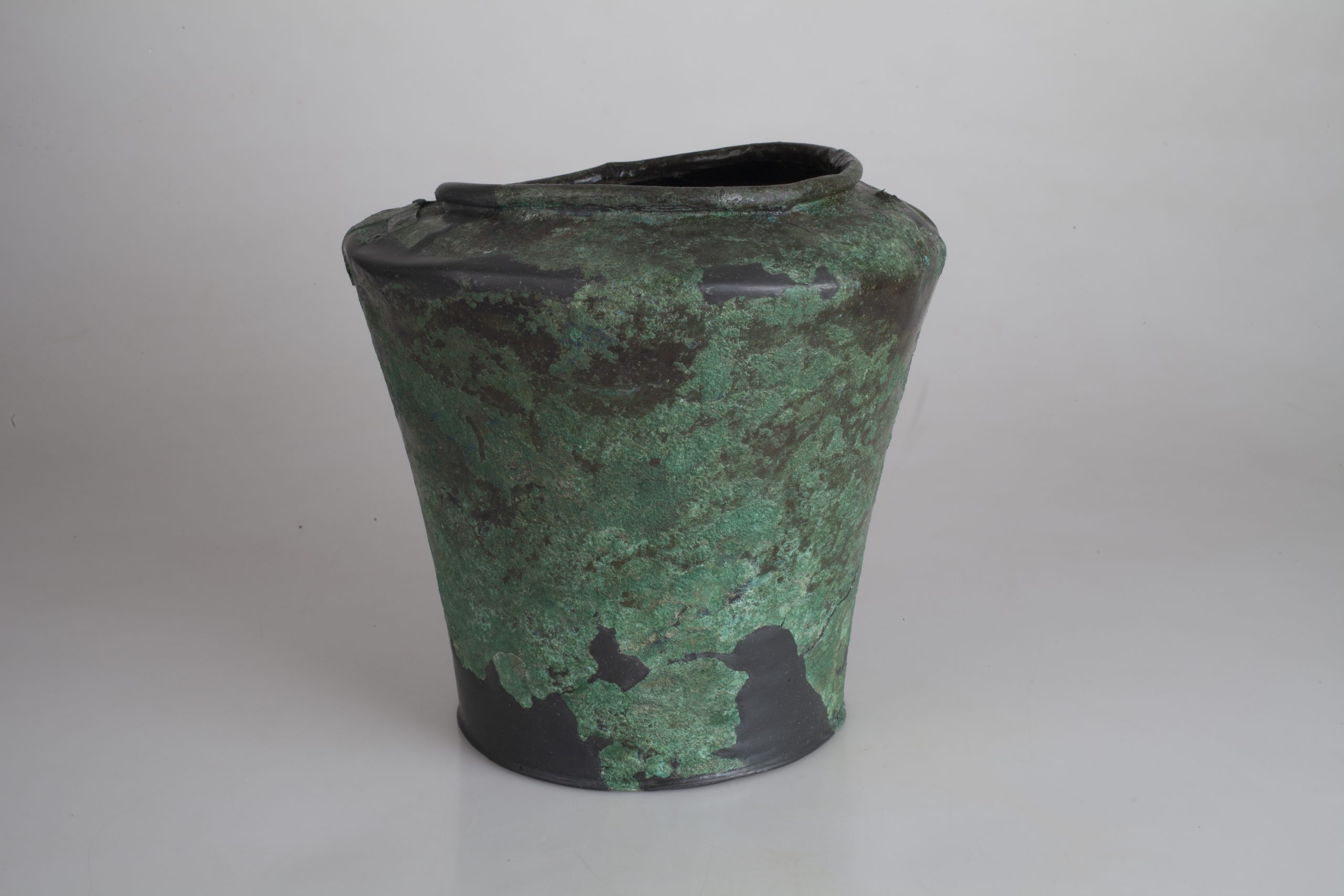
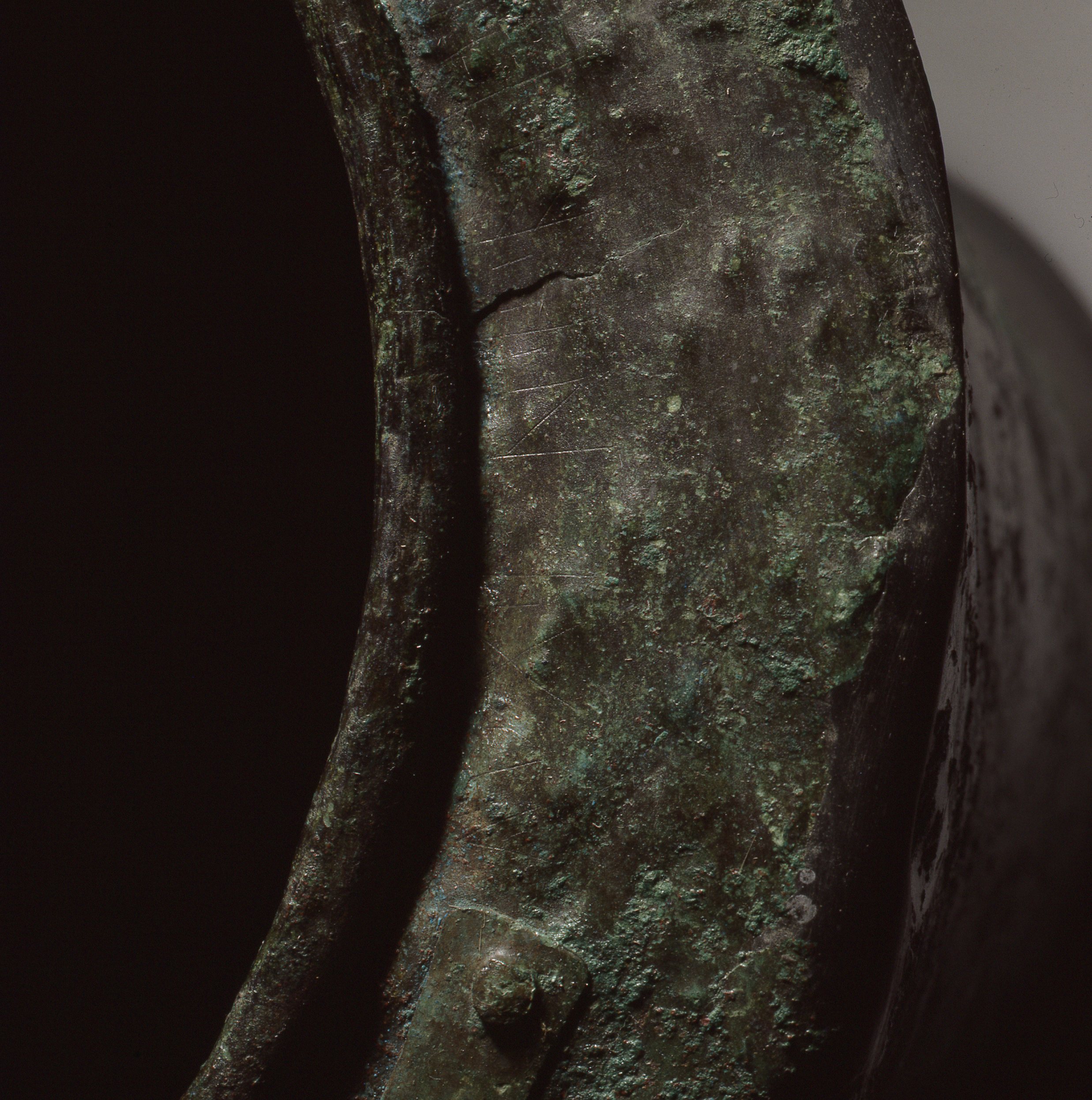
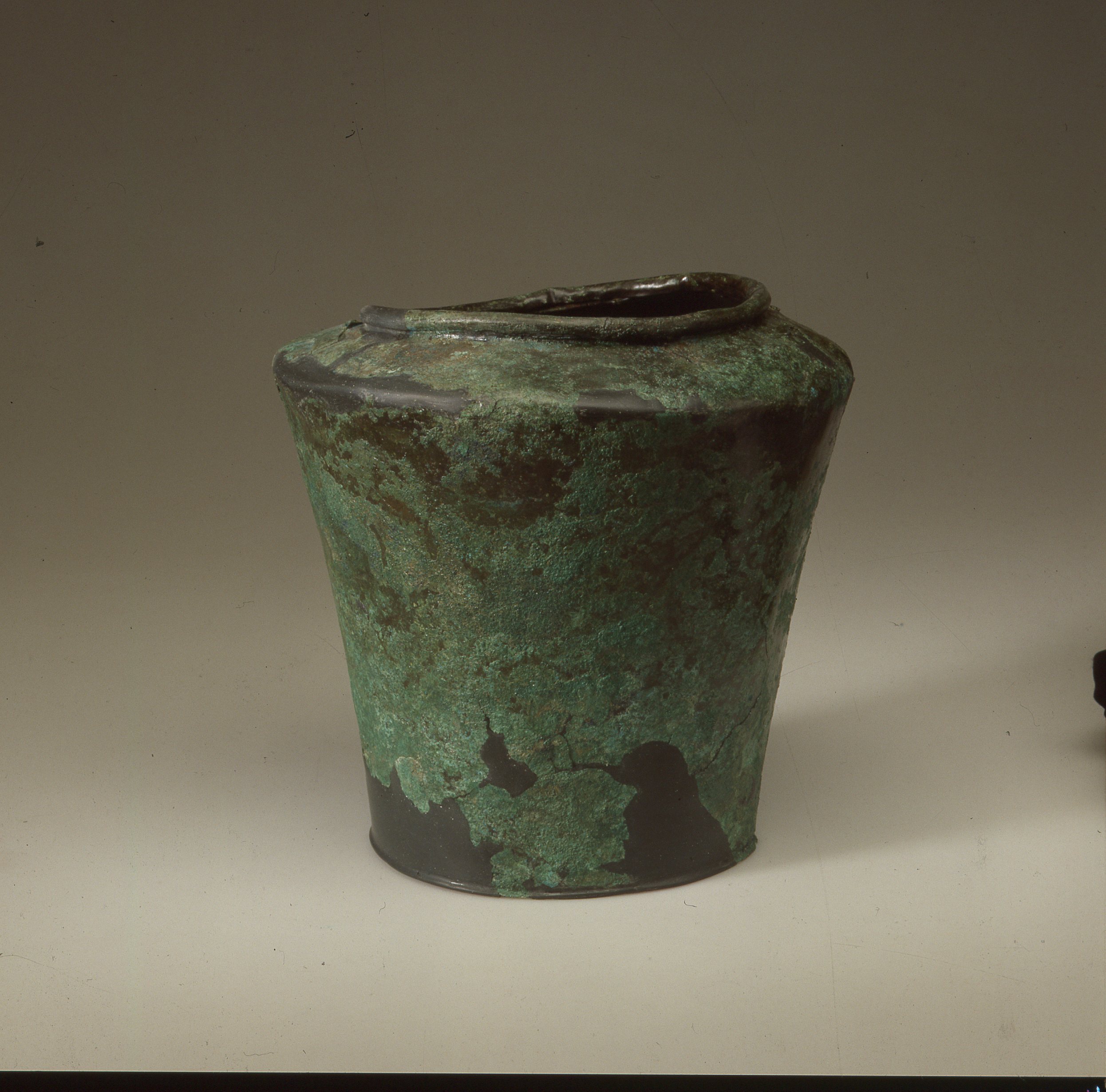
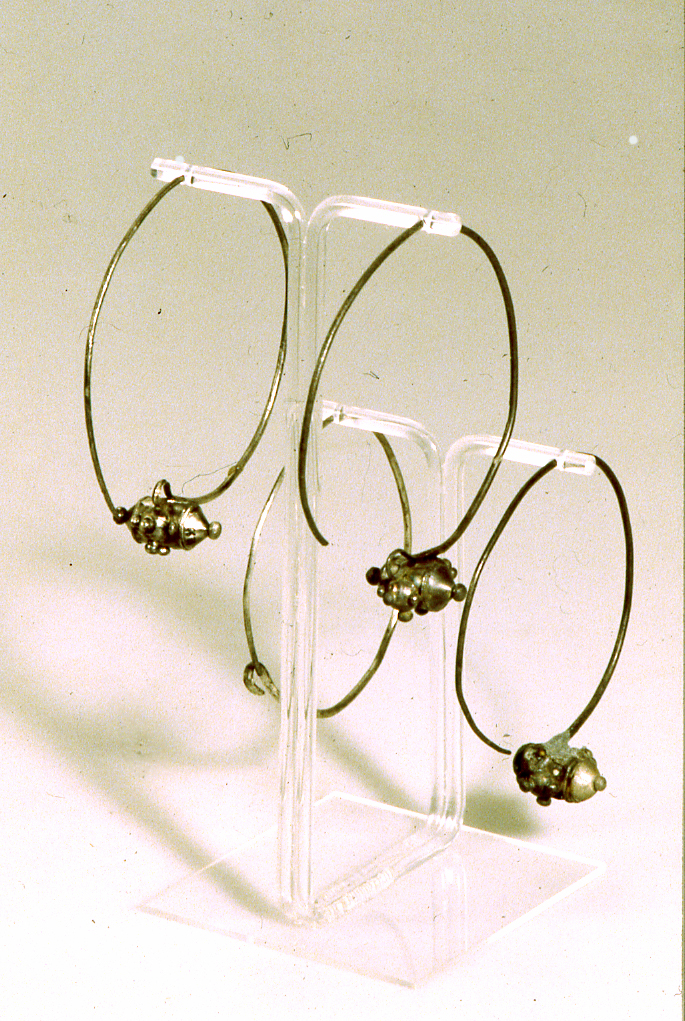
The Tomb of Nerka
In 1984, two exceptional tombs were found in the excavations of the House of Shelter necropolis: the monumental Tomb 23, known as Nerka’s Tomb, and the smaller but richer Tomb 36.
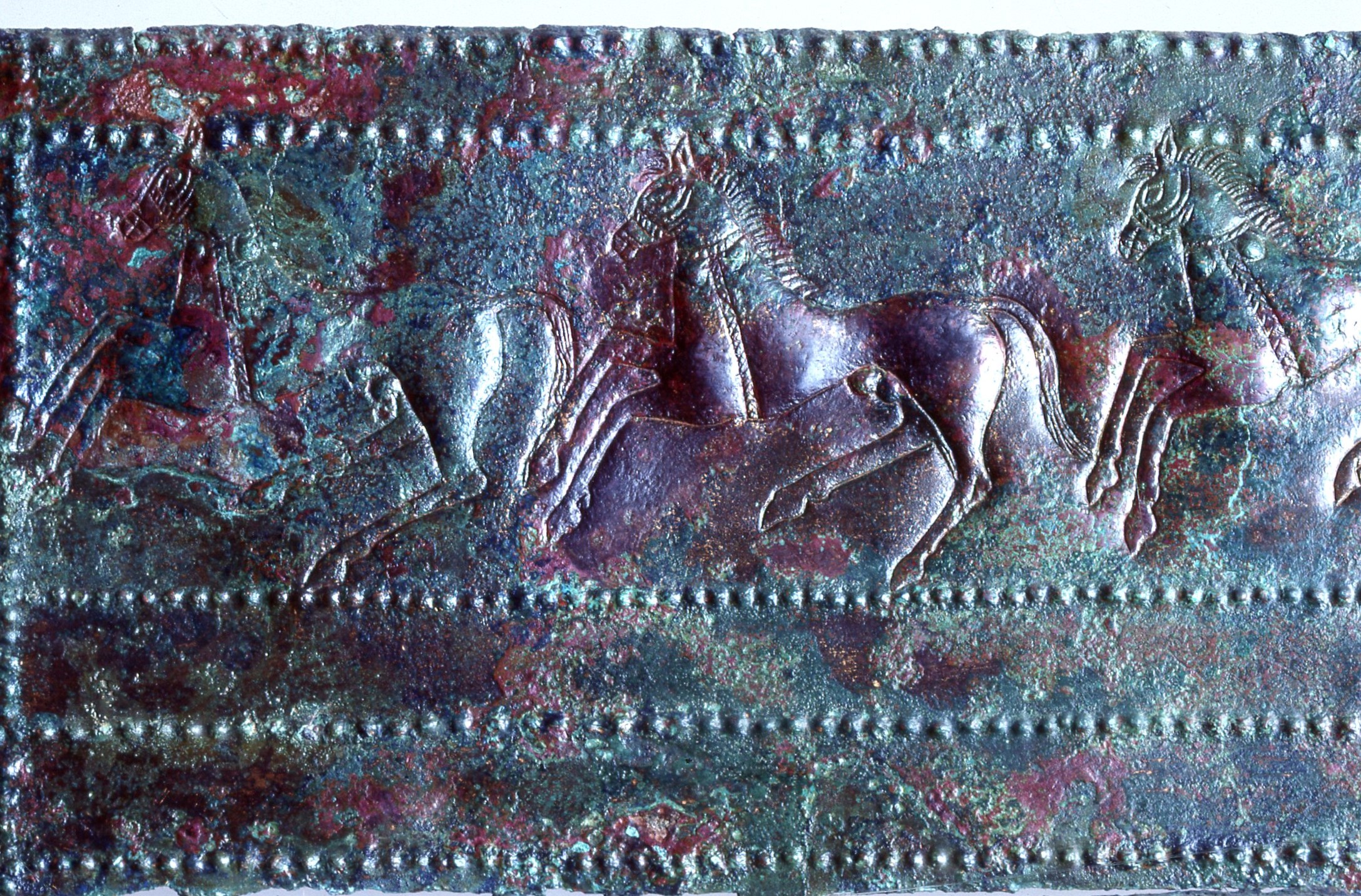
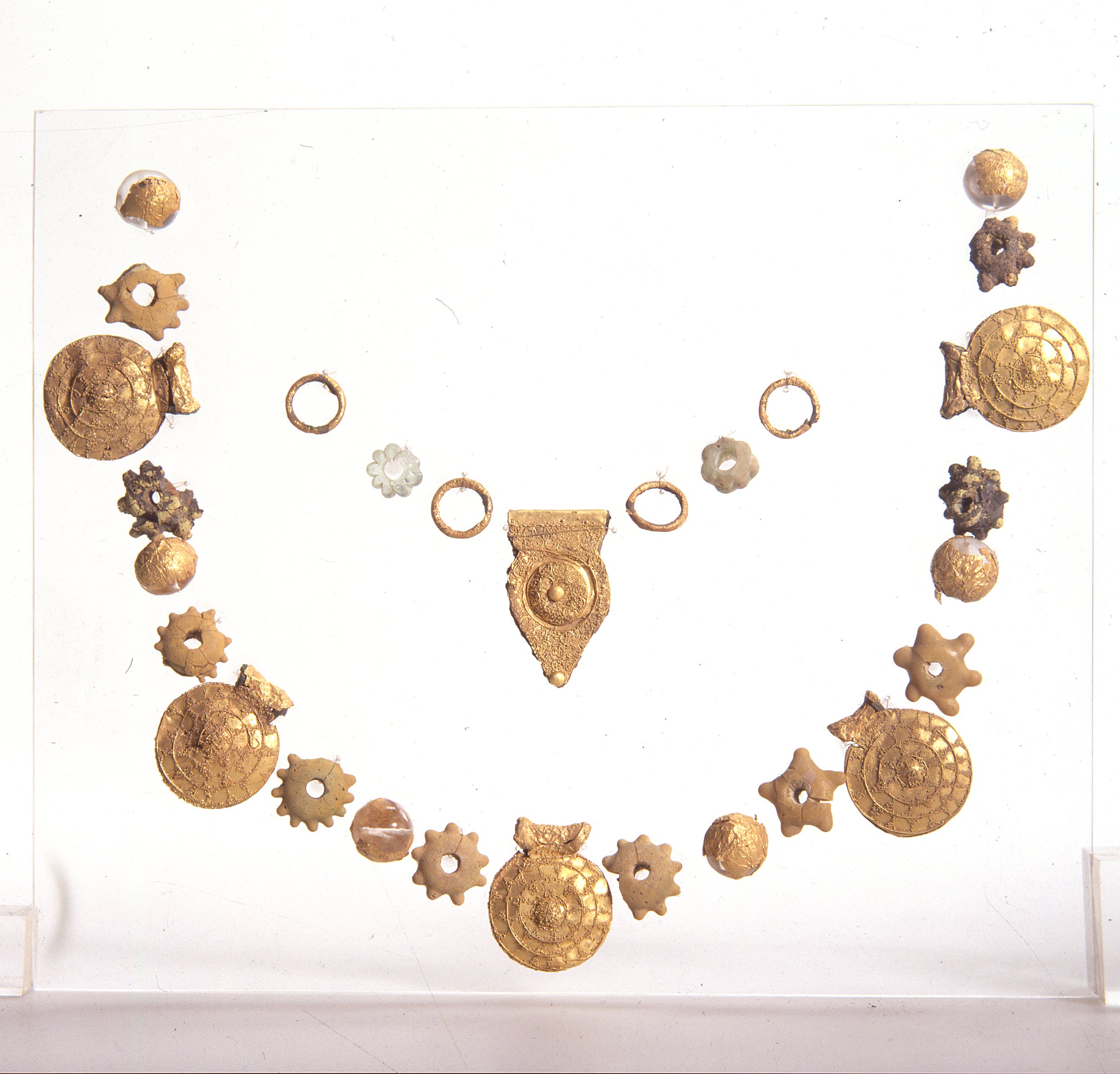
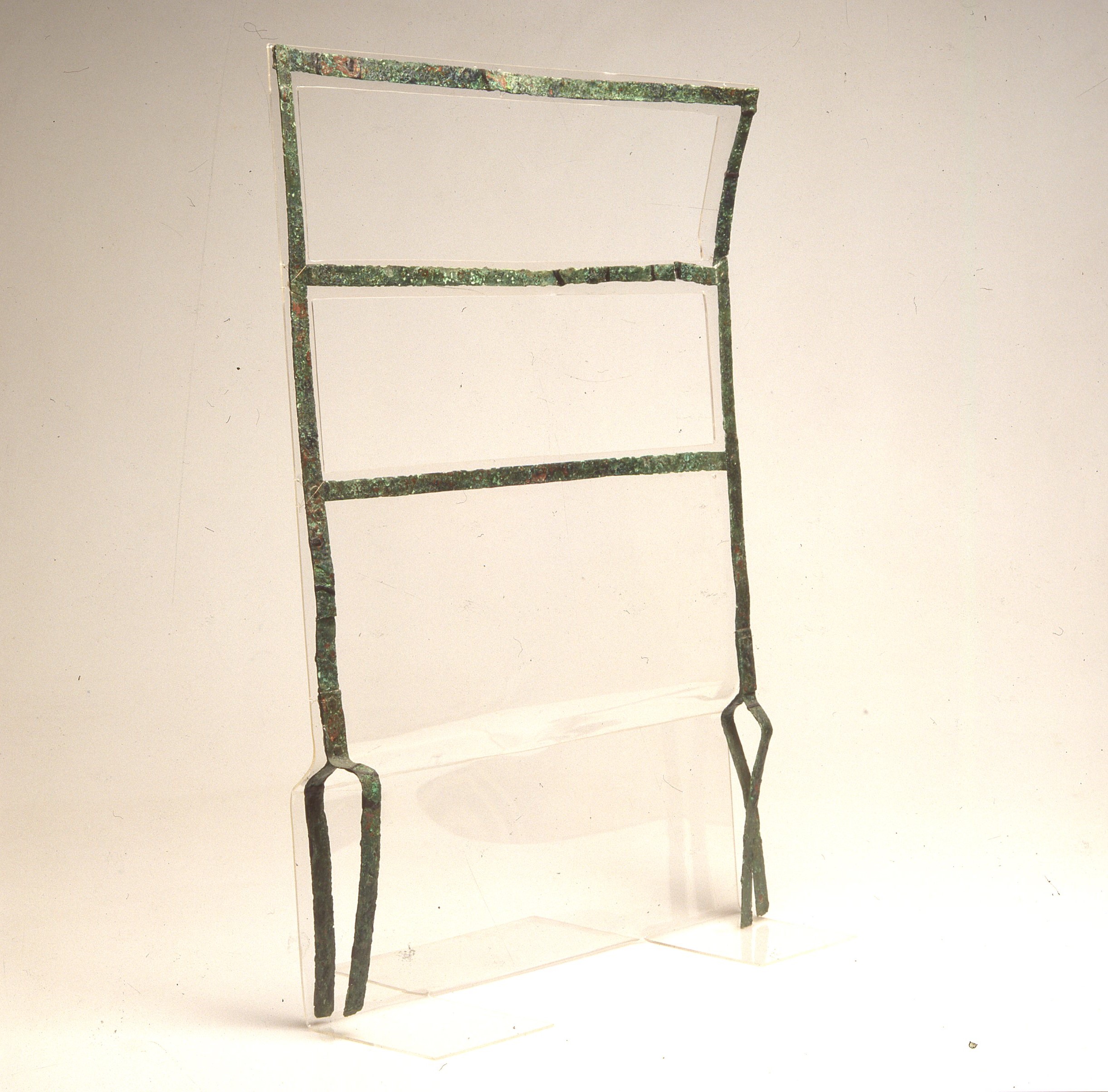
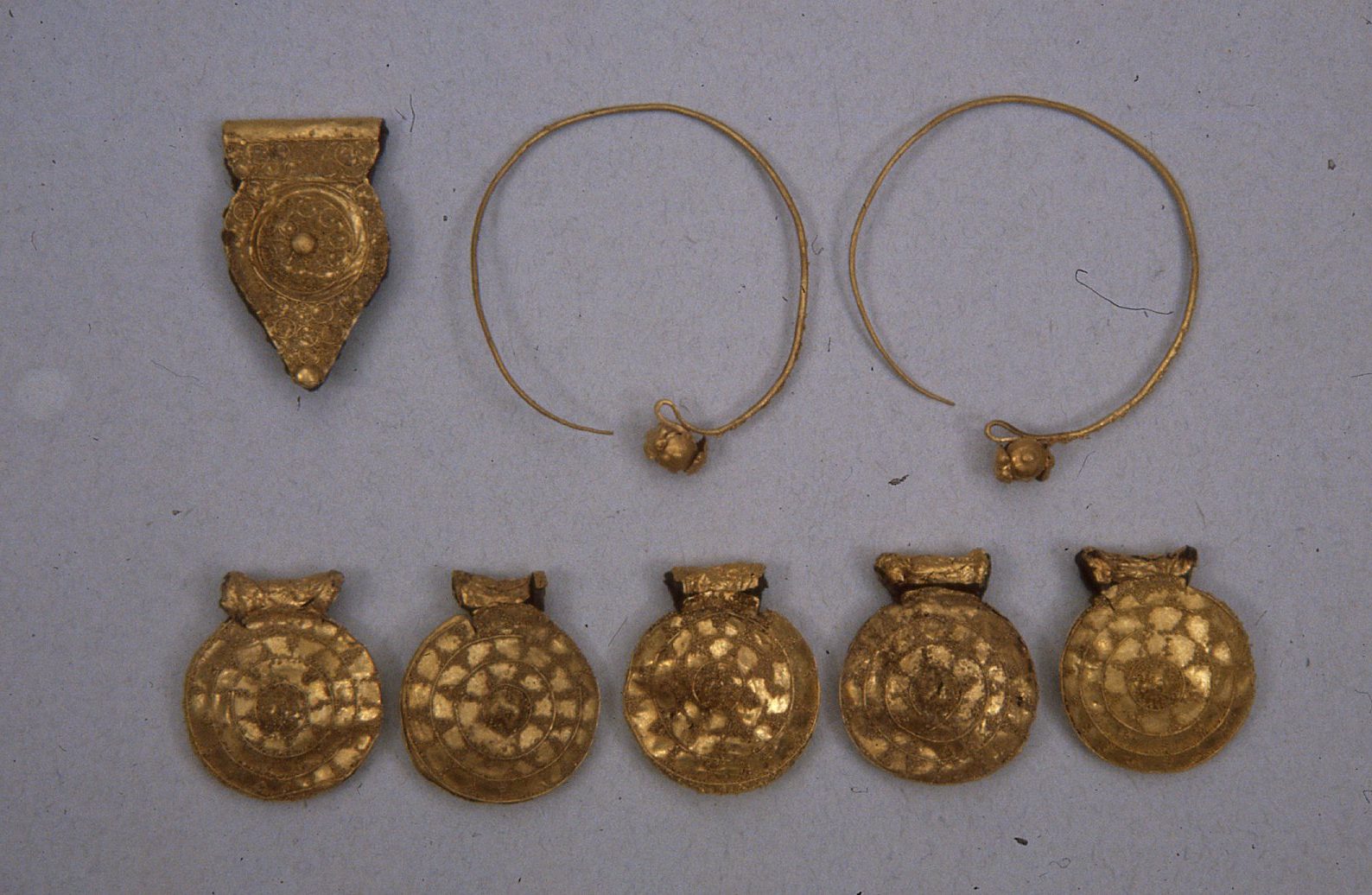
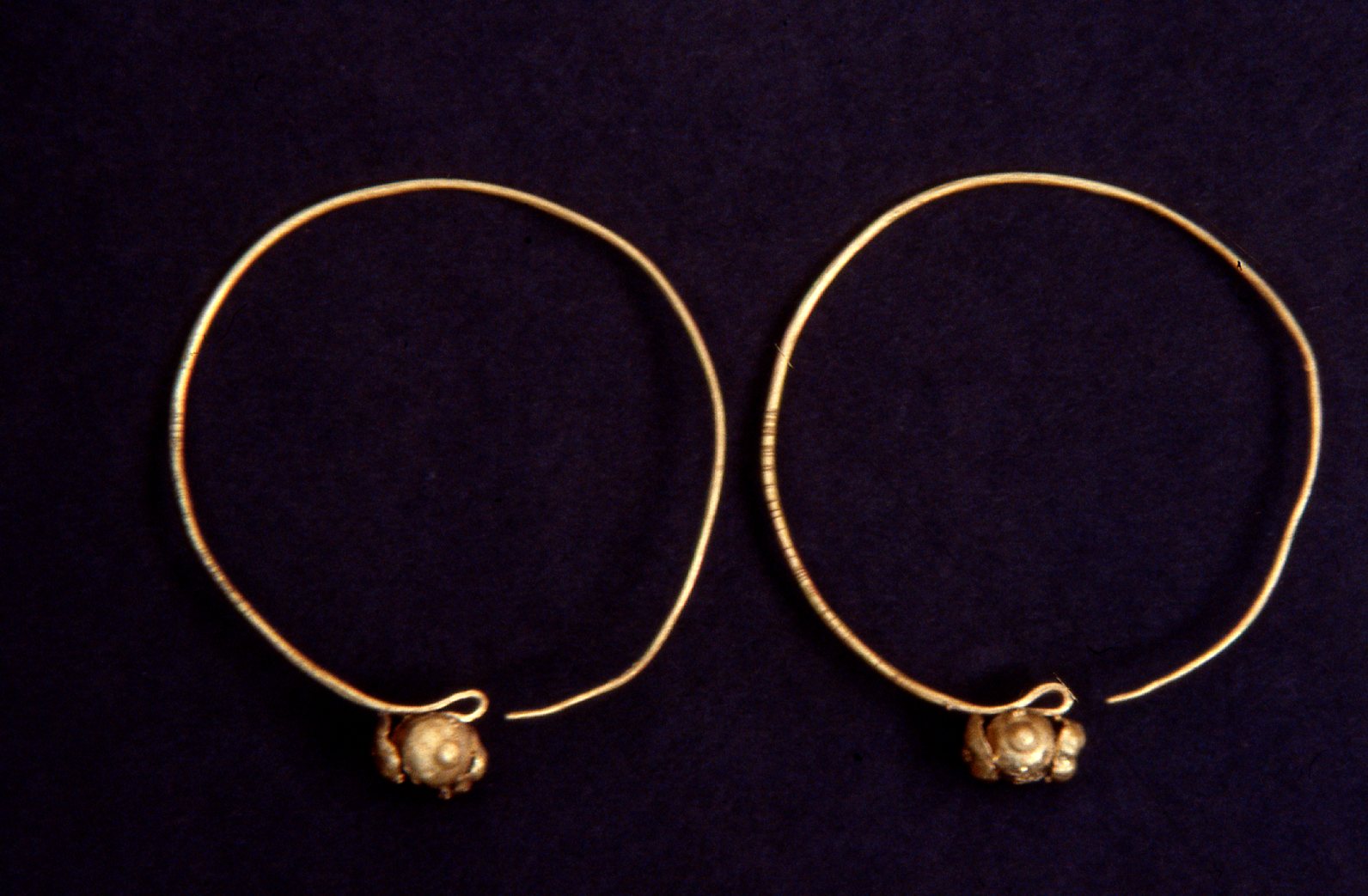
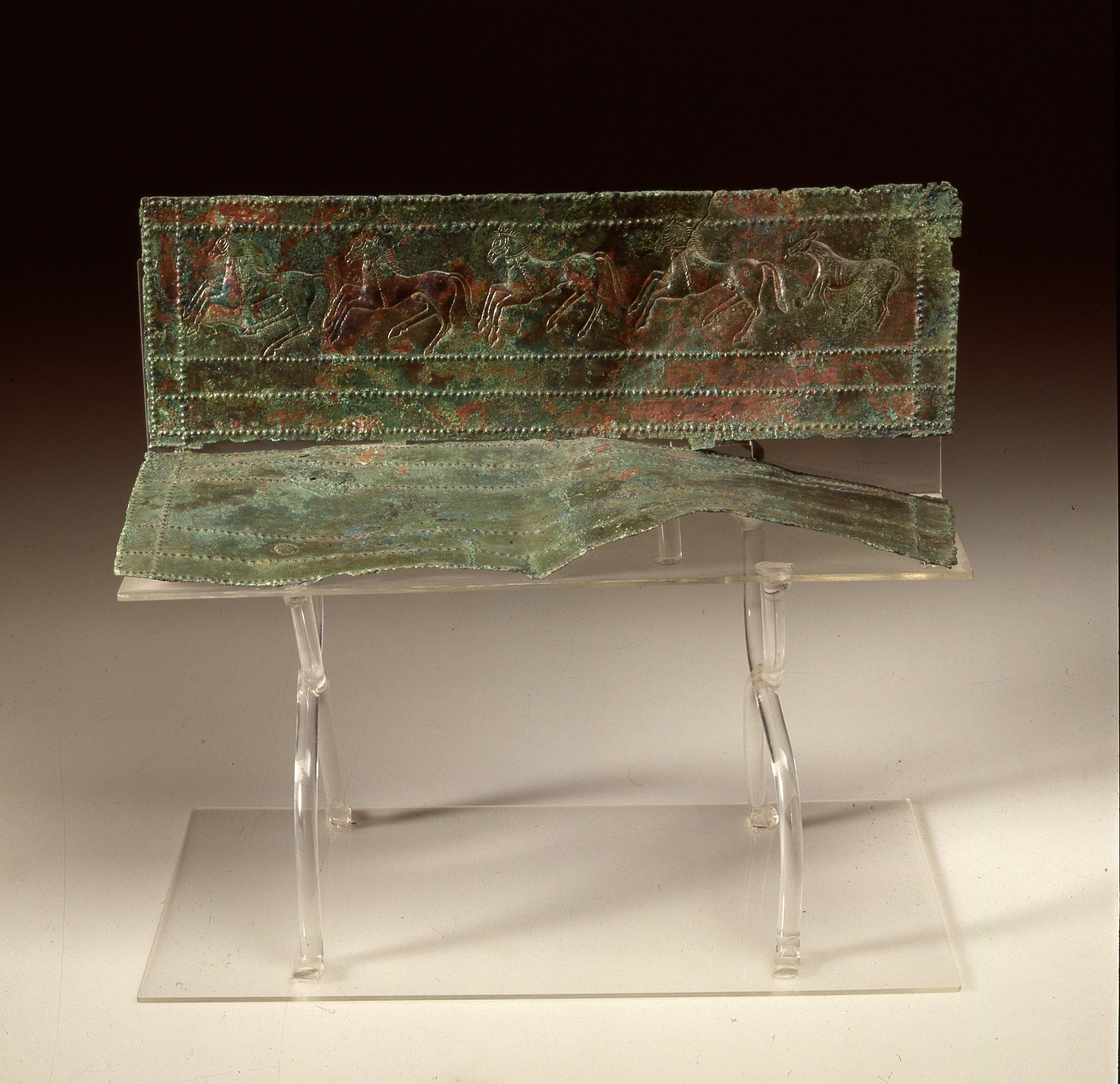
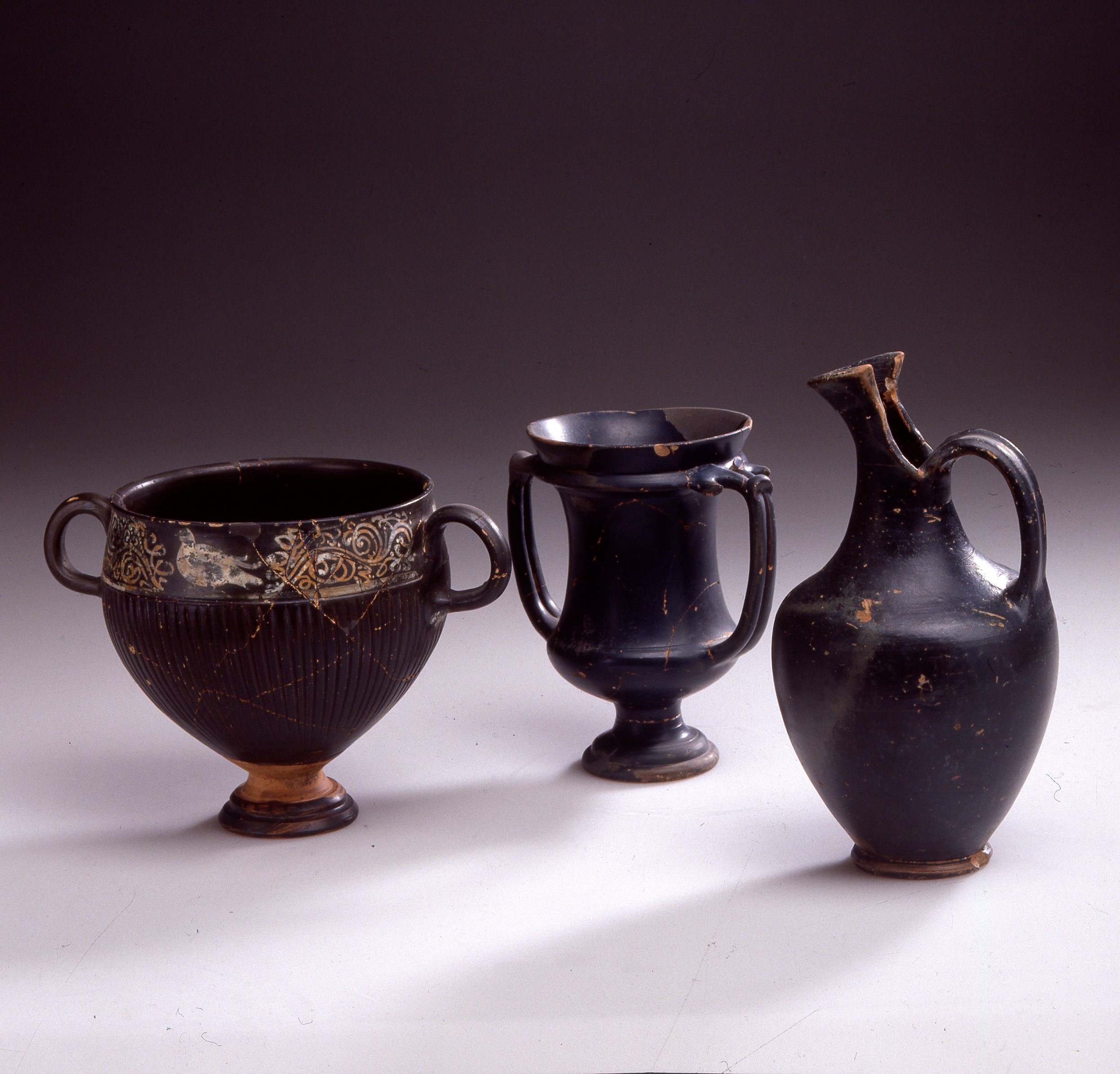
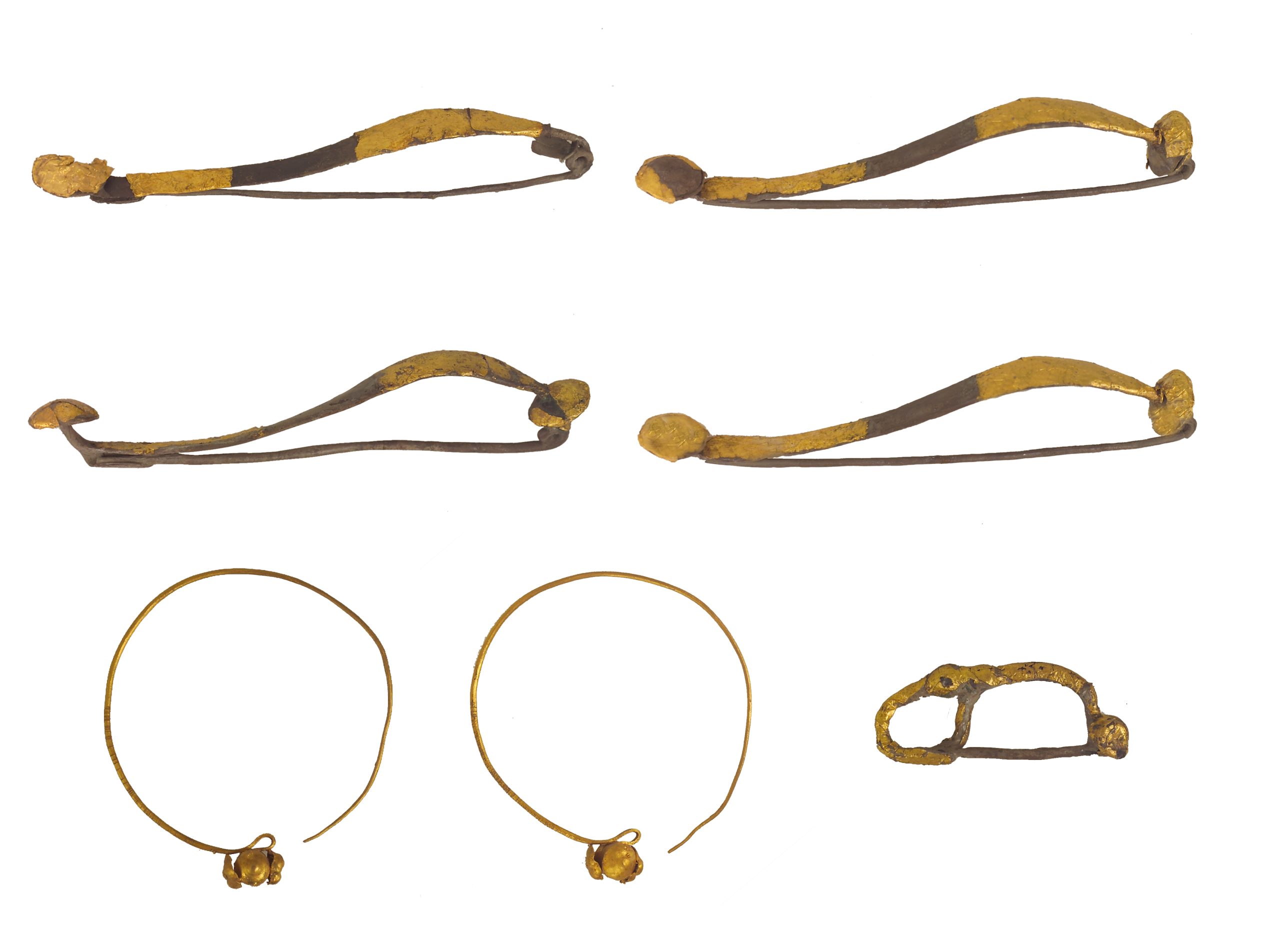
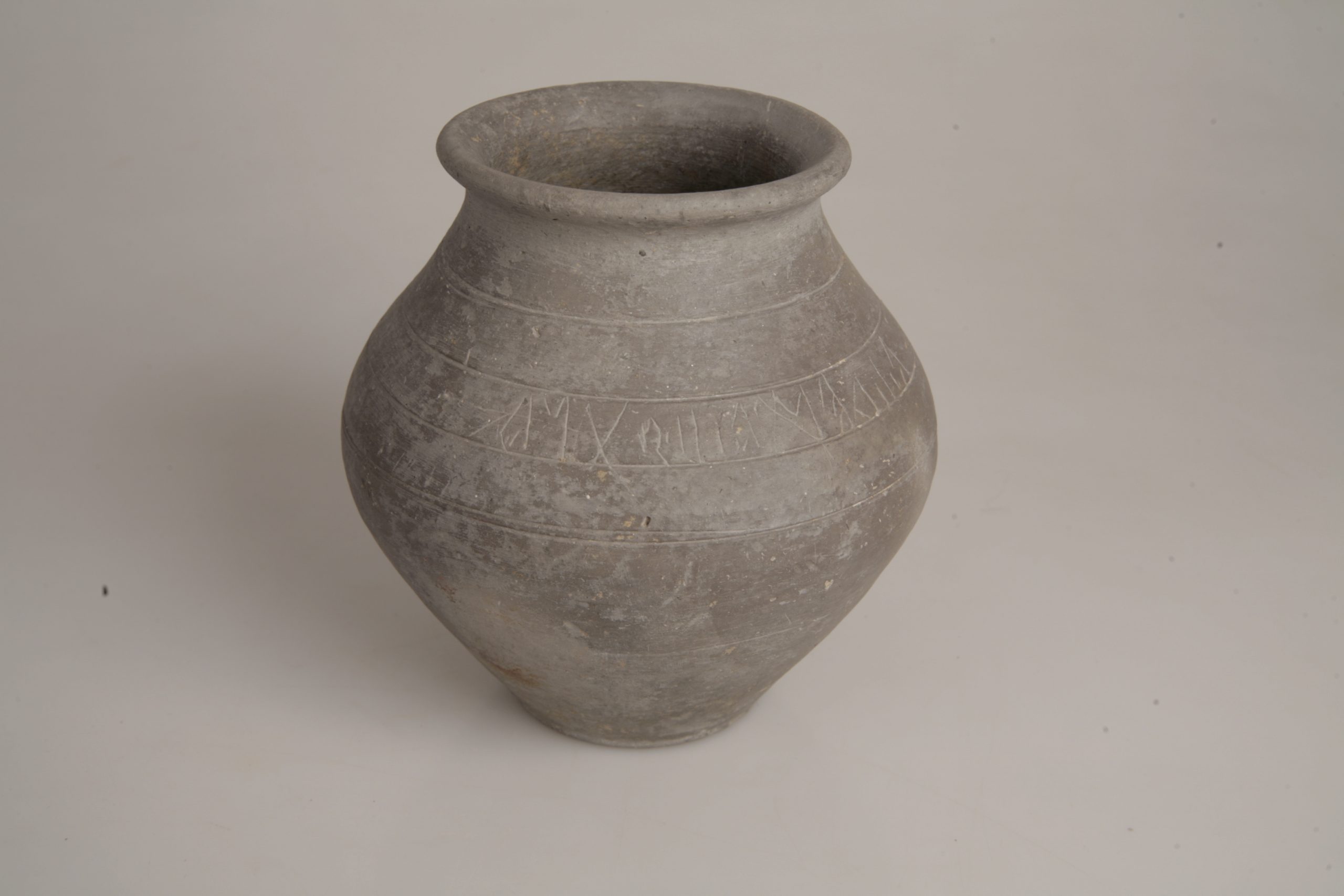
Tomb 23 held a large Euganean Hills limestone slab sarcophagus with a double-sloping roof, similar to Etruscan models from Populonia and Bologna. Inside, the trousseau recalled the rooms of the house: in the center was a bronze situla with the Venetian inscription “ego Nerkai Trostiaiai” (“I am for Nerka Trostiaia”), containing a black-painted skyphos used as an ossuary; around it, gold jewelry, bronze pottery, bowls with animal offerings, objects for weaving (including a model loom), a model of a seat decorated with horses, and hearth and banquet utensils such as halos and spits. Also present alongside the Adriatic pottery were two overpainted vessels from Egnatia, Apulia.
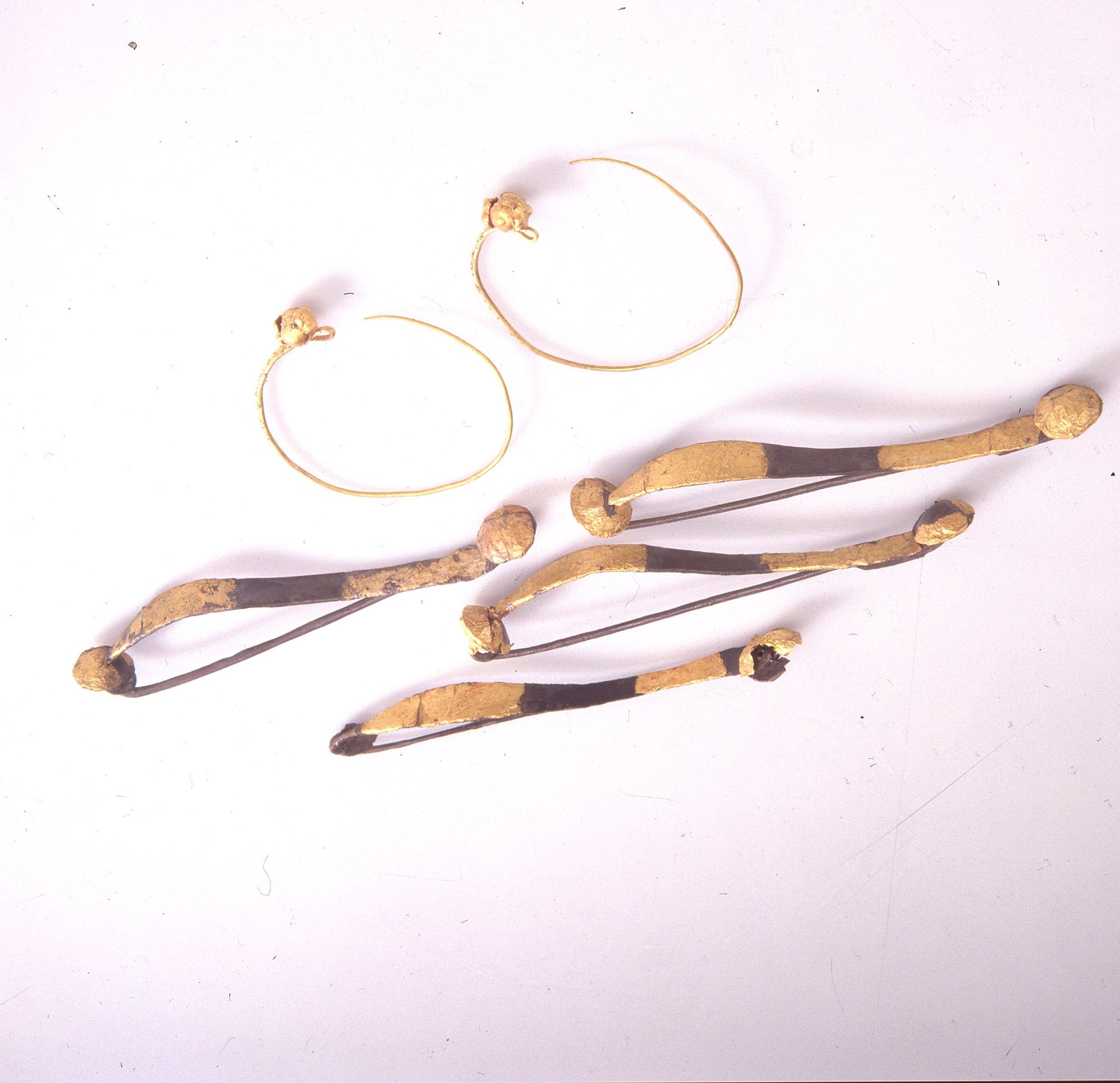
Tomb 36, in lithic cassette, had similar grave goods: black, gray, and achromatic varnish pottery, a skyphos from Egnatia, gold fibulae, halos, skewers, and a horse paddle.
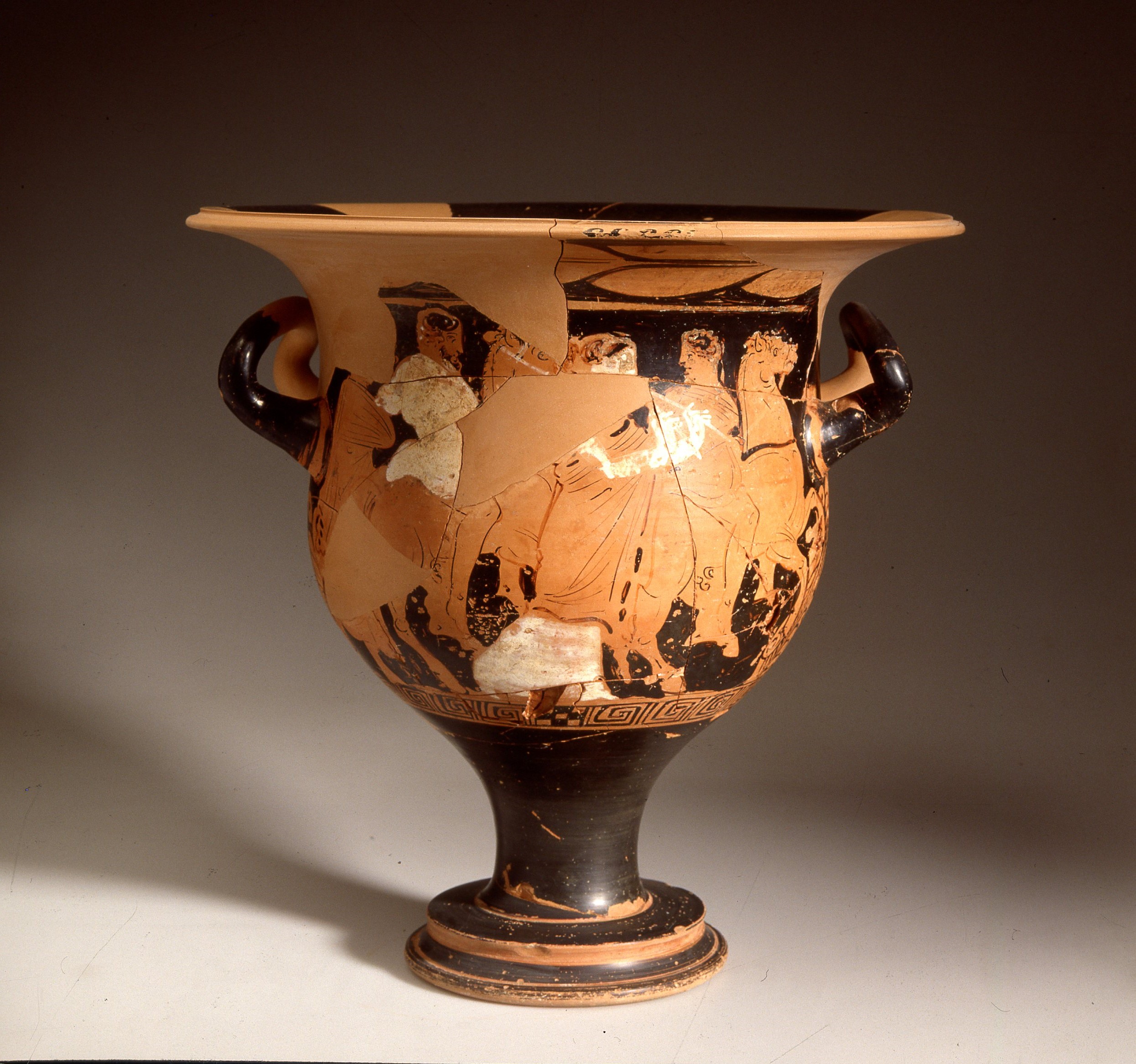
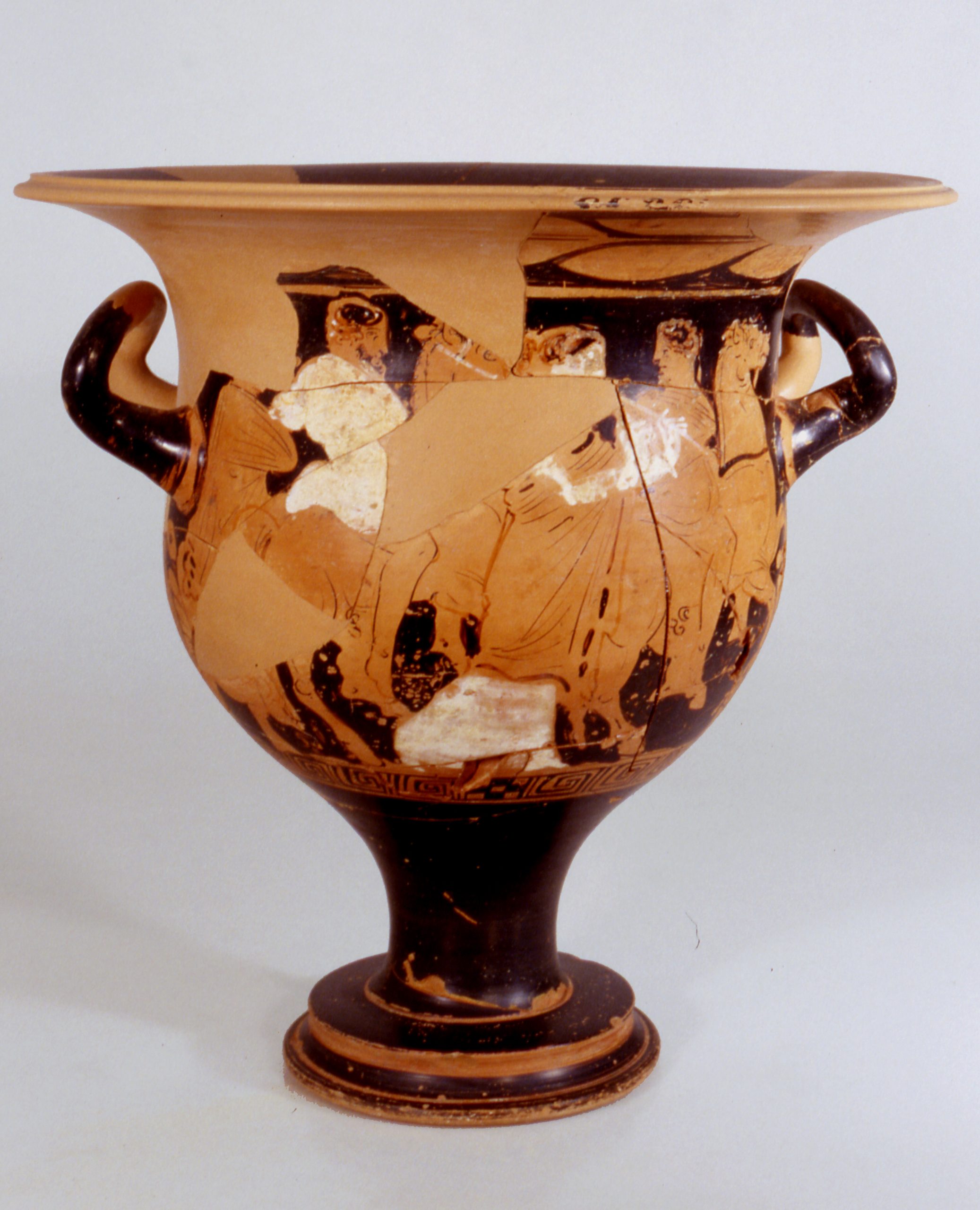
The two burials were closed together and covered with ceramic fragments, including an Attic red-figure krater from Athens. The whole can be dated to the mid-third quarter of the 3rd century BCE.
Osteological analyses indicate that an adult woman was laid in grave 23, and a young woman in her 20s and an infant in grave 36: probably a family (perhaps mother, daughter, and granddaughter) who died a short distance apart, possibly from an epidemic.
The tombs show the integration of Etruscan groups into Venetian society: pottery and jewelry hark back to Etruria Padana and Adria, while hearth, weaving, and the art of situlae with depictions of horses represent the Venetian component. Even the name Nerka, with the matronymic Trostiaia from Trosto (“the Etruscan”), alludes to an Etruscan origin.
In the first century B.C., a male burial was laid under a slope of tomb 23 that bears no relation to the earlier tombs.