
The Roman shrines of Este

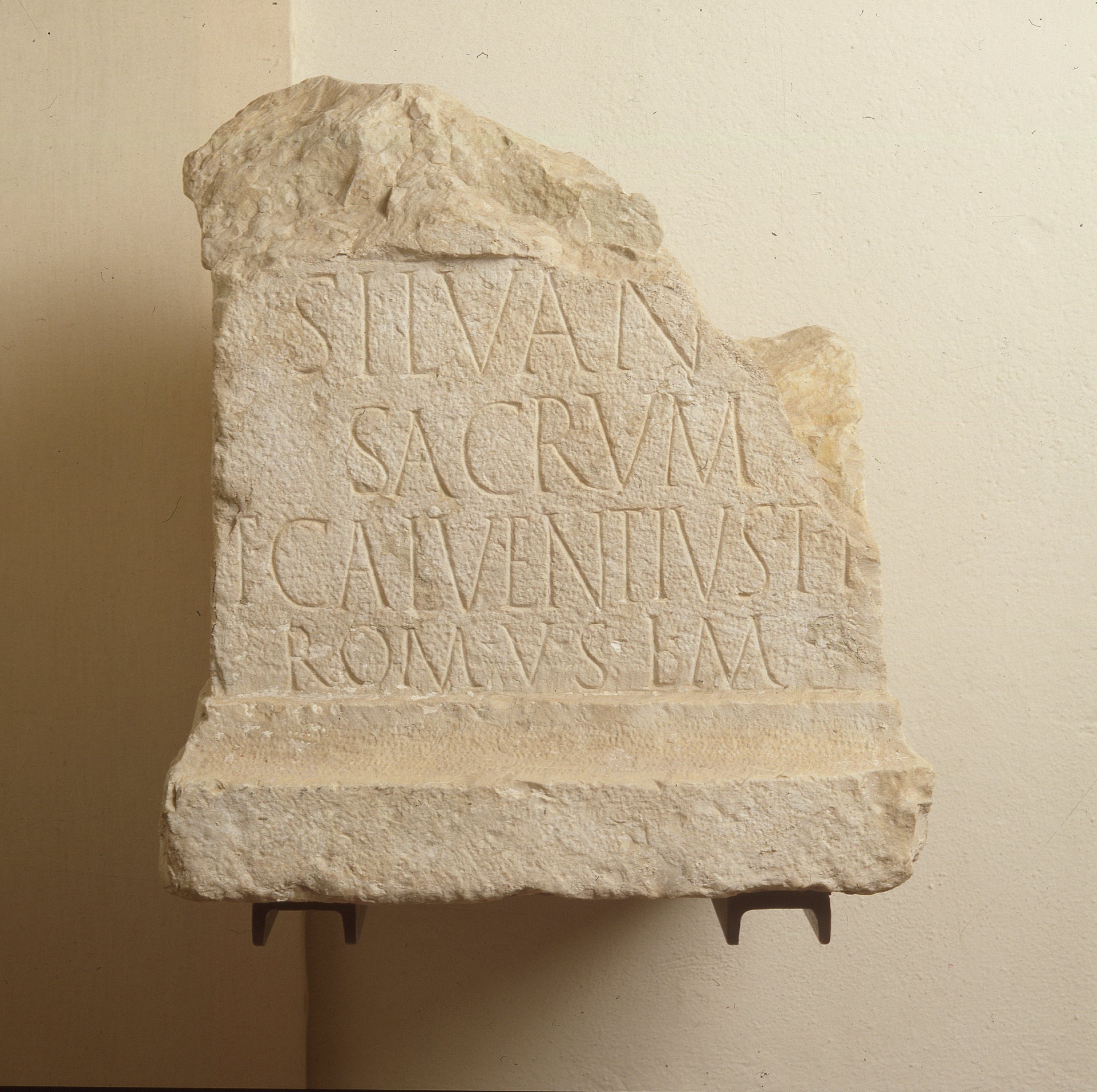
The altars on display bear dedications from the people of Ateste to deities – both local Romanised and Greco-Roman – made in fulfilment of vows. Deities associated with water were already worshipped in the Venetic period and continued to be honoured during the Roman era. The Sun and the Moon were worshipped by the people of Ateste as protectors of agricultural activities, as was Silvanus, the god of the woods. Jupiter, the supreme deity of the Roman pantheon, was the most venerated god in the Ateste area. Dedications to Minerva, Venus and Diana are also known.
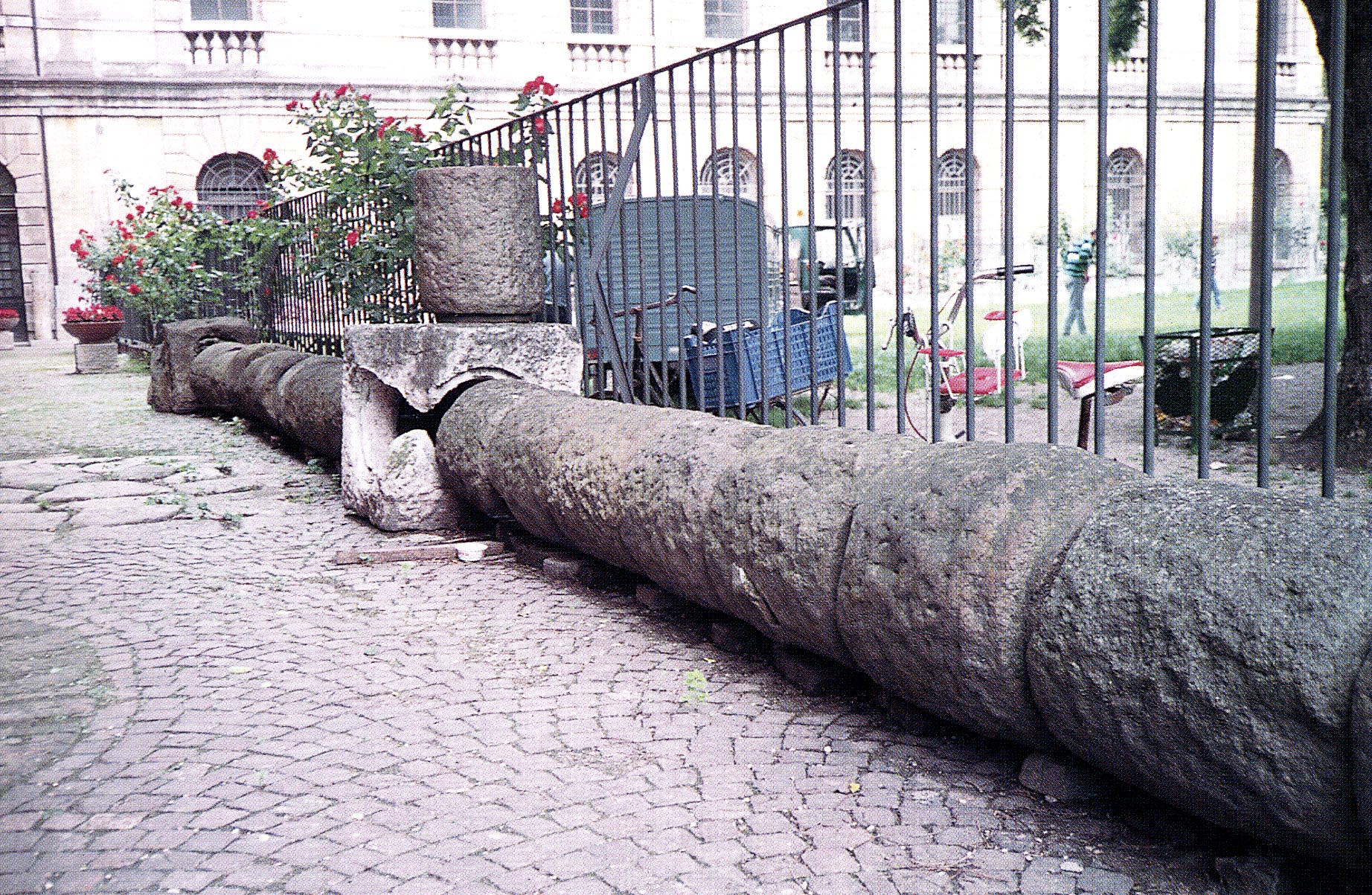
Ateste was a city of water, crossed by two branches of the Adige and equipped with an efficient water supply system, administered by the curator aquarum, a magistrate of consular rank appointed by the emperor. The water came from springs in the Euganean Hills via conduits made of modular trachyte elements. The city had cisterns for public use, distribution pipes and private terracotta wells. To cope with the frequent flooding of the Adige, between the late 1st century BC and the early 1st century AD, trachyte embankments were built between Este and Montagnana.
In the Euganean region, the people of Ateste grew cereals and pulses and produced fine wines, mentioned by Martial in his poems. Chestnut cultivation was an important resource: a knight from Ateste, named Corellius, introduced the grafting of the exquisite Euganean Corelliana chestnut to Naples, as Pliny recounts in his *Naturalis Historia*. The Euganean Hills also provided natural resources such as forests, from which timber was obtained, and trachyte, a particularly strong and durable volcanic rock.